

- EC Issues Gazette for 297 Newly Elected MPs |
- 9-year-old boy beaten to death over betel nut theft in M’singh |
- BNP fast-tracks cabinet plans after resounding victory |
- Modi Calls Tarique, Pledges India’s Support |
Deadly Strikes in Sudan, South Sudan Health Crisis Worsens
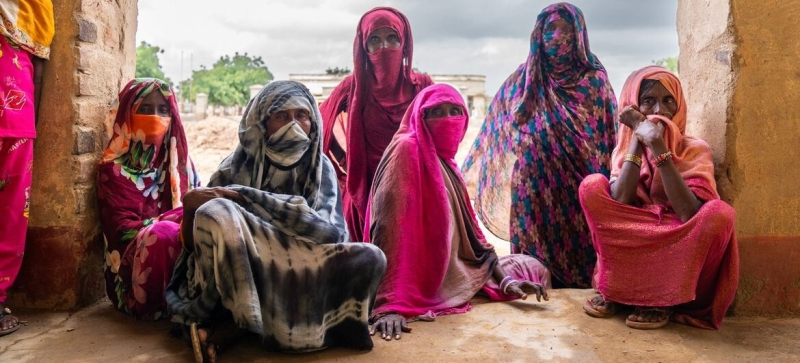
Thousands remain trapped in Kordofan, Darfur and El Fasher, where war continues to rage.
A sharp increase in drone attacks across the Kordofan region in central Sudan is endangering civilians and damaging critical infrastructure.
Over the past week, North Kordofan recorded more than a dozen attacks in and around the towns of El Obeid, Bara, Rahad, and Um Rawaba.
In South Kordofan, suspected drone strikes hit health facilities in the state capital, Kadugli, and in Kuweik town, reportedly killing four medical workers and injuring more than 20 people.
Concerns over the conflict deepened after a report from the UN Human Rights Office revealed “sustained” and “systematic attacks” on civilians in the Darfur region in late 2025, which may “amount to crimes against humanity.”
Growing humanitarian concerns
“The violence is triggering a new wave of displacement, with many fleeing their homes and in need of food, health care, and protection,” warned UN Secretary-General Spokesperson Stéphane Dujarric on Friday.
The humanitarian situation in Dilling and Kadugli continues to deteriorate. Dujarric emphasised that “rapid, safe, unhindered, and sustained humanitarian access is essential for us to scale up our response.”
Drone strikes have also damaged commercial vehicles, telecommunications infrastructure, and key transport routes, disrupting humanitarian movements and supply chains.
He called for “the protection of humanitarian infrastructure, in line with international humanitarian law” and urged more funding through UN aid coordination office OCHA to support displaced families across Sudan.
Violence pushes South Sudan’s health system to the brink
Since late December 2025, escalating violence has swept across northern and central South Sudan, UNICEF said.
In Jonglei state alone, at least 280,000 people have been displaced, the majority women and children.
“They fled with nothing, sleeping in displacement camps left over from the civil war—camps with barely any services. Others are out in the open with nothing at all,” said UNICEF’s representative in South Sudan, Obia Acheng.
Children make up 53 percent of those displaced. Acheng added: “These children face killing, maiming, recruitment into armed groups, separation from families, gender-based violence, and profound psychological distress that will affect them for years.”
Delivering for children
South Sudan’s health system is on the verge of collapse. Eleven health facilities have been attacked or looted since fighting intensified, and many nutrition centres have closed.
Cholera cases have surged to 479 nationwide, with treatment centres overwhelmed and resources running low.
Around 825,000 children across Jonglei, Unity, and Eastern Equatoria states are at risk of acute malnutrition—conditions that make children 12 times more likely to die without treatment.
Pregnant and nursing mothers are increasingly cut off from care, and humanitarian infrastructure continues to be under assault.
Despite these challenges, UNICEF continues to run primary healthcare, nutrition, water and sanitation, and child protection programmes across the country.
The UN Security Council issued a statement expressing grave concern over escalating violence in Jonglei, Eastern Equatoria, and throughout South Sudan. Members urged all parties to de-escalate, cease hostilities, and resolve disputes through peaceful dialogue.
UN chief calls for unity ahead of Ramadan
UN Secretary-General António Guterres urged people worldwide to embrace peace, compassion, and solidarity as Muslims prepare to observe Ramadan.
“For Muslims, the holy month of Ramadan is a sacred period of reflection and prayer. Ramadan represents hope and peace,” Guterres said ahead of its start on Tuesday.
He noted that for many—from Afghanistan to Yemen, Gaza, and Sudan—this vision of hope remains distant amid conflict, hunger, and displacement.
Guterres called on the global community to bridge divides, deliver aid, and uphold human rights and dignity for all. “May this Holy Month inspire us to work as one to build a more peaceful, generous, and just world,” he said.