

- Cultivation of Black Baby watermelons on a rooftop in Kalapara |
- Low pressure area on Bay; Maritime ports to hoist cautionary signal 3 |
- Nandini killing: Man sentenced to death in Lalmonirhat |
- Four of a Rangpur family killed for objecting to Yaba taking: Police |
- Bangladesh Rise to Highest-Ever Sixth in Test Rankings |
Trump’s 50% Tariffs on Canadian Goods Take Effect
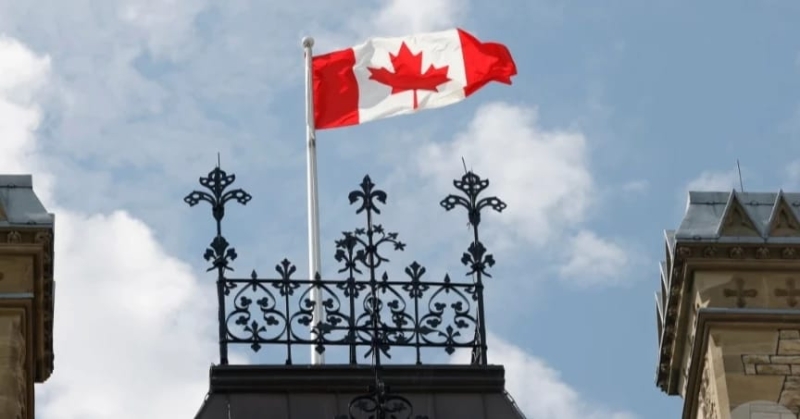
U.S. President Donald Trump’s 50% tariffs on a range of Canadian imports took effect Saturday after last-minute trade negotiations between the two countries collapsed.
The new tariffs are expected to affect about 5% of Canada’s annual exports to the United States, worth roughly $20 billion. The products include hockey sticks, agricultural goods, wine, cement, clothing, furniture, cameras and other consumer items.
Canadian Prime Minister Mark Carney said his government would introduce “dollar-for-dollar” retaliatory measures from September 8.
The latest escalation has pushed the two longtime allies deeper into a trade war that has persisted throughout Trump’s second term. Economists and trade experts warn that higher tariffs can raise costs for businesses and eventually increase prices for consumers.
Which goods are affected?
The U.S. tariffs cover around $20 billion worth of Canadian products. Canada sent about 72% of its goods exports to the United States last year.
According to documents released by the White House, the affected products include hockey sticks, wine, cement, honey, seeds and other agricultural goods. Selected cosmetics, perfumes, clothing, jewellery, furniture, cameras and fabrics are also subject to the new tariffs.
Some products previously protected under the United States-Mexico-Canada Agreement (USMCA) are also covered, raising further questions about the future of the North American trade pact.
How are the tariffs being imposed?
Trump invoked Section 338 of the U.S. Tariff Act of 1930 to impose the 50% tariffs.
The provision was part of the broader Smoot-Hawley legislation enacted during the Great Depression. The law is widely associated with a sharp increase in U.S. tariffs and a decline in international trade during the period.
Section 338 allows the U.S. president to impose import duties of up to 50% on goods from countries deemed to discriminate against American businesses. The provision had not previously been used to impose tariffs in this way.
The law does not require a formal investigation before tariffs are imposed, nor does it specify a maximum duration for the measures. However, the lack of precedent could leave the new tariffs vulnerable to legal challenges.
Trump has accused Canada of unfairly restricting U.S. exports, particularly automobiles, alcohol and dairy products. He has also criticised Canada’s retaliatory measures against earlier U.S. tariffs, saying imports of American alcohol and vehicles had declined.
With negotiations now stalled and no further talks scheduled, uncertainty is growing over the future of trade relations between the two countries.