

- Sri Lanka urges Pakistan to reconsider India match |
- Centre of World Cup storm Mustafizur lands PSL deal with Lahore |
- BNP and Jamaat election camps vandalized in Gazipur |
- Dhaka requests UN rights office investigation into Hadi murder |
- Bangladesh establishes formal diplomatic ties with Grenada |
Trump order threatens tariffs on Iran trade partners
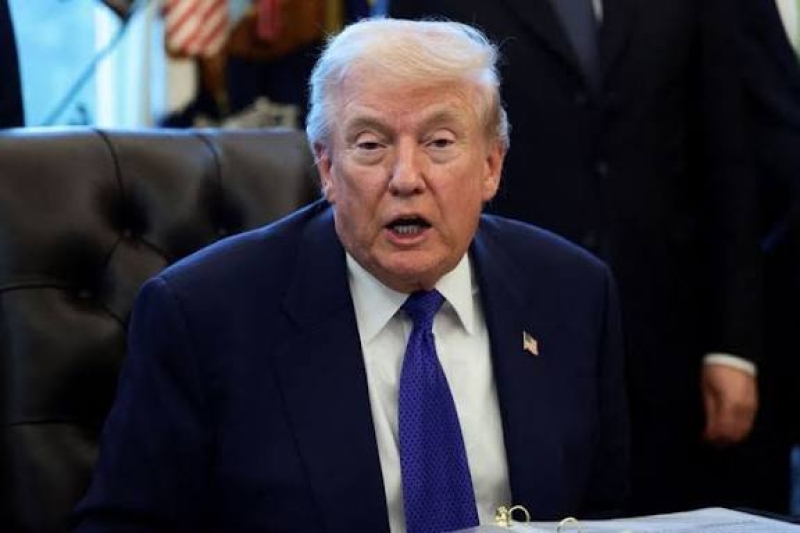
Trump has signed an executive order warning that the United States could impose new tariffs on countries that continue trading with Iran.
The order, signed on Friday, allows for additional import taxes on goods entering the US from any country that “directly or indirectly” buys goods or services from Iran. While it does not set a specific tariff rate, it cites 25% as a possible example, reports BBC.
Although Trump has not publicly addressed the order in detail, he reiterated that Iran must not obtain nuclear weapons while speaking to reporters aboard Air Force One on Friday night.
The move comes as senior US and Iranian officials hold talks in Oman, following weeks of escalating rhetoric between the two sides. Earlier this year, Trump had already warned that countries doing business with Iran could face a 25% tariff, writing on Truth Social in January that such penalties would apply immediately. At the time, he did not explain how the policy would be enforced.
The White House said the new order reinforces the existing national emergency related to Iran and noted that the president could revise it if circumstances change. It said the administration is responding to Iran’s nuclear ambitions, support for terrorism, missile development, and actions that destabilize the region.
Iran has not issued an immediate response.
The discussions in Oman, which began on Friday, mark the first direct talks between US and Iranian officials since last June, when the US bombed three of Iran’s main nuclear sites. Iran was represented by Foreign Minister Abbas Araghchi, while the US delegation included special envoy Steve Witkoff and Trump’s son-in-law, Jared Kushner.
Trump described the talks as “very good,” saying Iran appeared eager to reach an agreement. He warned that failure to do so would bring severe consequences and said another meeting is planned for early next week.
Oman’s foreign minister, Badr Albusaidi, who mediated the talks, said they helped clarify each side’s positions and identify potential areas for progress. Araghchi also called the talks a “good start,” saying they were conducted in a positive atmosphere and that both sides had returned home for further consultations.
Growing tensions between Washington and Tehran have raised concerns about a possible conflict. Trump recently said Iran’s Supreme Leader, Ayatollah Ali Khamenei, should be “very worried” and has warned that the US could take military action if Iran refuses to negotiate over its nuclear programme.
Iran maintains that its nuclear activities are peaceful and denies seeking nuclear weapons.
Meanwhile, the US has increased its military presence in the region. Trump described this buildup as a “massive armada,” citing Iran’s violent crackdown on nationwide protests last month. Human rights groups report that thousands may have been killed, though the true scale is uncertain due to government-imposed internet restrictions since early January, reports UNB.