

- Govt Steps Up Efforts to Modernise Shipping Sector |
- PM arrives in New York to attend 81st UNGA session |
- Jatri Kalyan Samity urges withdrawal of increased fuel prices |
- Global Diesel Shortage Likely to Persist Into 2027 |
- PM to Present Bangladesh Vision at UNGA: Mahdi |
Govt steps up efforts to modernise shipping sector
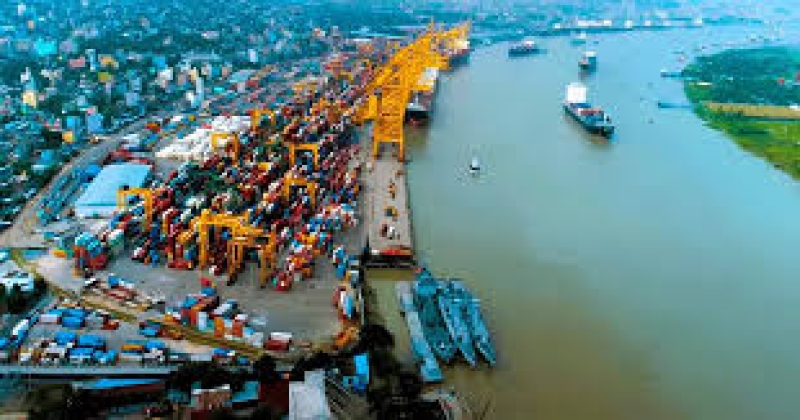
Bangladesh is pursuing a broad modernisation of its shipping sector, combining new deep-sea and container terminals with dredging, expanded port capacity, digitalisation and improved inland waterways to strengthen the country’s trade infrastructure.
According to the FY2026-27 budget document, the government has adopted a series of initiatives to increase cargo and container-handling capacity, improve vessel-handling efficiency, expand dredging activities and increase port-yard capacity.
The broader plan also covers development of sea and land ports, modernisation of river ports and launch terminals, maintenance of inland waterways and strengthening of safety and institutional capacity.
Around 95 percent of Bangladesh’s total import and export activities are conducted through Chattogram and Mongla ports, making their capacity and efficiency particularly important for the country’s trade and economy.
Chattogram faces growing pressure
Chattogram Port, the country’s principal maritime gateway, has already experienced a sharp increase in cargo and container handling over the years.
According to figures presented by Prime Minister Tarique Rahman in Parliament in July, the port handled 138.152 million tonnes of cargo and 3.409 million TEUs of containers in 2025, compared with 45.396 million tonnes and 1.343 million TEUs respectively in 2010.
Container handling increased 4.07 percent, cargo handling 11.43 percent and ship handling 10.5 percent in 2025 compared with the previous year, he said.
The port operates 24 hours a day, seven days a week, and the government is taking a number of measures to increase its capacity and efficiency.
These include the operation of the Patenga Container Terminal, development of the Laldia Container Terminal, regular capital and maintenance dredging, procurement of new cargo and container-handling equipment and digitalisation of port services, according to the Prime Minister’s statement in Parliament.
The government is also taking measures to ease container congestion by improving yard management and speeding up cargo clearance.
Shipping Minister Shaikh Rabiul Alam told Parliament in July that around 80 percent of container unloading and delivery operations at Chattogram Port had already been digitalised, with work underway to cover the remaining 20 percent.
The government is encouraging delivery of import containers through private inland container depots and off-docks, while more than 10,000 TEUs of long-staying containers inside the port are planned to be auctioned through customs to free up yard space.
Bay Terminal to accommodate larger vessels
The planned Chattogram Bay Terminal is expected to become one of the most important components of the country’s maritime expansion.
Prime Minister Tarique Rahman said the terminal would allow large mother vessels to berth directly at Chattogram Port, reducing transshipment costs and accelerating import and export activities.
At present, many large vessels cannot enter Chattogram because of navigational limitations.
Once completed, the two facilities are expected to receive vessels with drafts of 12 to 14 metres and reduce vessel waiting time through direct berthing, the minister said.
Laldia adds new capacity
The Laldia Container Terminal is another major component of the planned expansion of Chattogram Port.
Construction of the terminal, one of Bangladesh’s largest public-private partnership investments involving more than US$550 million, formally began in August.
The terminal is being developed with Danish cooperation and is expected to introduce modern equipment and technology into port operations.
Under the concession agreement, the project covers three years of construction and 30 years of operation, with a provision for a further 15-year extension, Shipping Minister Shaikh Rabiul Alam said in Parliament.
The government sees the terminal as part of its effort to increase capacity and bring international expertise and modern operational practices into the country’s port sector.
Matarbari to open deep-sea access
The Matarbari Deep Seaport in Cox’s Bazar represents another major shift in Bangladesh’s maritime infrastructure.
The under-construction port is expected to begin operations by 2029, according to the Shipping Minister.
It will have a navigational channel about 16 metres deep and will be capable of accommodating container vessels carrying around 8,200 TEUs or cargo ships of up to 100,000 deadweight tonnes. Such vessels are nearly four times larger than those currently handled at Chattogram Port, according to the minister.
The facility is expected to reduce Bangladesh’s dependence on foreign transshipment hubs such as Colombo, Singapore and Port Klang by allowing large mother vessels to call directly at a Bangladeshi port.
The government expects this to reduce shipping time and transshipment-related logistics costs while improving the country’s competitiveness in international trade.
Matarbari could also provide opportunities for regional transit and trade, potentially strengthening Bangladesh’s position as a maritime hub in South Asia.
Mongla emerging as second gateway
Mongla Port is also undergoing major expansion to increase its role in Bangladesh’s maritime trade.
The projects are expected to increase the port’s capacity substantially, with plans targeting annual handling of up to 800,000 TEUs of containers, 4 million metric tonnes of cargo and 30,000 vehicles.
Two of the six additional jetties were under construction, with the work expected to further increase the port’s container-handling capacity.
The Mongla Port Upgradation Project has also targeted annual handling capacity of 1.5 million tonnes of cargo and 400,000 TEUs of containers.
Payra also gets attention
Payra Port is another key part of the government’s maritime development strategy.
The government plans maintenance dredging of the Rabnabad Channel and procurement of two trailing suction hopper dredgers to ensure uninterrupted navigability and strengthen the port’s operational capacity, Shipping Minister Shaikh Rabiul Alam told Parliament in June.
The Payra Port Authority is implementing a number of projects aimed at establishing a fully fledged seaport.
The planned dredging is particularly important because maintaining the required channel depth is a continuing challenge for a port located in a heavily silted riverine environment.
Dredging as a national priority
Dredging is emerging as one of the most important elements of the government’s water transport strategy.
Apart from port channels, the government has undertaken a broader programme of river and canal excavation and re-excavation.
The Water Resources Ministry has set a target of excavating and re-excavating 20,000 kilometres of canals across the country over five years, according to an announcement made in Parliament.
From traditional ports to smart ports
Digitalisation is another major pillar of the modernisation programme.
At Chattogram Port, online Port Community System, e-delivery orders, e-payment services, e-gate passes, CPA SKY and the Port Single Window are being introduced as part of efforts to establish a paperless port, according to the Prime Minister’s statement in Parliament.
The government has also initiated steps to automate overall port operations and procure additional cargo and container-handling equipment.
Human resources and safety
The modernisation plan also places emphasis on institutional capacity.
The government plans to modernise vessel registration systems, expand digital services, develop skills and generate employment opportunities for seafarers.
Safety on inland waterways is another priority, with plans to modernise river ports and launch terminals and strengthen navigational aids.
The Bangladesh Inland Water Transport Authority has also been instructed to take coordinated measures with relevant agencies to ensure the safety of vessels operating on waterways, reports UNB.