

- Power transfer, start of new journey for democracy: Prof Yunus |
- NCP Leaders Sign July National Charter in Dhaka |
- Tarique Rahman Vacates Bogura-6 Seat After Dual Win |
- Newly Elected MPs, Cabinet Members to Take Oath Tomorrow |
- India beats Pakistan by 61 runs as World Cup scenario heats up |
Newly Elected MPs, Cabinet Members to Take Oath Tomorrow
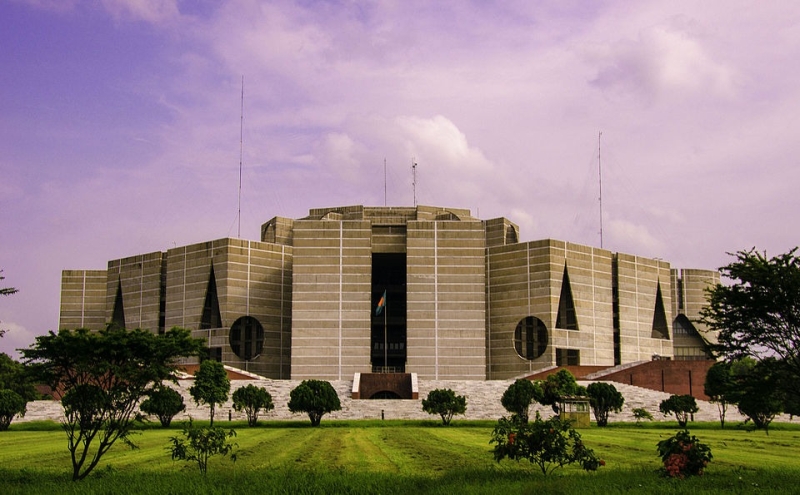
Jatiya Sangsad Bhaban
All 297 newly elected Members of Parliament (MPs) of the 13th Jatiya Sangsad will be sworn in at the parliament complex in Dhaka tomorrow.
According to a statement from the Jatiya Sangsad Secretariat, the lawmakers will first take oath as MPs and then as members of the Constitutional Reform Council. The ceremony is scheduled to begin at 10:00 am in the oath room of the Sangsad Bhaban.
Chief Election Commissioner A M M Nasir Uddin is expected to administer the oath, while Cabinet Secretary Nasimul Ghani will conduct the proceedings.
Lawmakers elected from the Bangladesh Nationalist Party (BNP), including party chairman Tarique Rahman, will take oath first. They will be followed by MPs from Bangladesh Jamaat-e-Islami, National Citizen Party, Bangladesh Khilafat Majlis, Khelafat Majlish, Gano Odhikar Parishad, Bangladesh Jatiya Party, Ganosamhati Andolon and independent members.
Official results show the BNP secured 209 seats, while its allies Gano Odhikar Parishad, Bangladesh Jatiya Party and Ganosamhati Andolon won one seat each. Bangladesh Jamaat-e-Islami won 68 seats, emerging as the main opposition party. Its allies — National Citizen Party, Bangladesh Khilafat Majlis and Khelafat Majlish — secured six, two and one seats respectively. Islami Andolon Bangladesh won one seat, while independents were elected from seven constituencies.
The Election Commission has published the gazette for 297 of the 299 parliamentary seats. Results in two constituencies — Chattogram-2 and Chattogram-4 — remain pending due to legal issues, while voting in Sherpur-3 was postponed following the death of a Jamaat-e-Islami candidate.
New cabinet members will take oath later in the afternoon at the South Plaza of the parliament complex. President Mohammed Shahabuddin will administer the oath at 4:00 pm.
In a departure from long-standing practice, the swearing-in ceremony of the new government will be held at the parliament complex instead of Bangabhaban.
After the MPs are sworn in, the BNP Parliamentary Board is expected to meet to elect its parliamentary leader. The leader will then inform the President that the party commands a majority in parliament and seek appointment as Prime Minister.
Following this, the President will formally appoint the Prime Minister, who will choose cabinet members. The head of state will first administer the oath to the Prime Minister, followed by ministers, state ministers and deputy ministers.