

- 50,000 sit for AI training selection test |
- Bangladesh, Malaysia Discuss LNG Support And Investment |
- Acting President begins official duties at Bangabhaban |
- PM Backs Bangladesh-Made Medical Devices, Innovation |
- Ex-RAB Commander Taken Into Military Custody |
Global Hunger Falls, but Healthy Diets Still Elusive
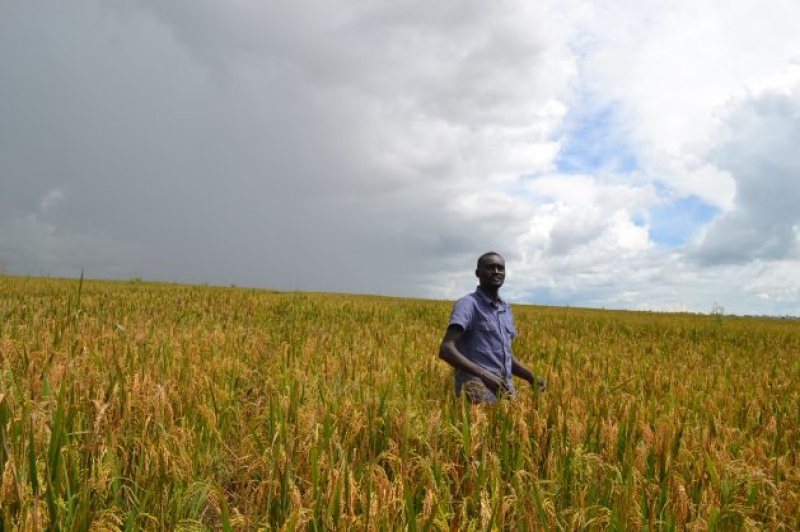
Three years of declining hunger have answered one question: Progress is possible. The question now is whether governments will scale what works before conflict, climate shocks and financial retreat erase it.
Global hunger declined for the third consecutive year in 2025, offering rare positive news amid mounting global crises. Yet experts warn that the progress remains fragile and could quickly be reversed by conflict, climate shocks and shrinking international aid.
According to the latest estimates, around 645 million people experienced chronic hunger in 2025—14 million fewer than in 2024 and 43 million fewer than the 2022 peak. Moderate or severe food insecurity also declined by 86 million people, falling to 2.1 billion.
While the numbers remain unacceptably high, the decline challenges the assumption that conflict, climate change and economic instability make rising hunger inevitable. Experts say countries that combine social protection, agricultural investment and sound economic policies can significantly reduce hunger.
Policies that work
Countries making the greatest progress followed different paths but shared several common strategies, including social protection programmes that preserve purchasing power, investments to boost agricultural productivity, improved rural roads, irrigation and market infrastructure, and policies linking small-scale farmers to expanding food markets.
Asia's hunger rate is now around one-quarter lower than it was in 2015, while Latin America and the Caribbean have also reduced hunger below levels recorded a decade ago.
In Africa, the hunger rate declined for the first time in nearly a decade, falling from 20.3 per cent in 2024 to 20.0 per cent in 2025.
Although encouraging, Africa's progress remains fragile. Rapid population growth means about 309 million people on the continent still face hunger, even as bilateral development assistance to sub-Saharan Africa fell by 26.3 per cent in 2025 and is expected to decline further this year.
Countries including India, Senegal, Rwanda, Peru, Brazil, Chile, the Dominican Republic and Guyana have all recorded significant improvements in reducing hunger over the past two decades.
Risks remain
Experts caution that governments should not interpret three consecutive years of progress as a reason to reduce investment.
The conflict in the Middle East and disruption of shipping through the Strait of Hormuz are already driving up energy, fertiliser and transport costs. Because the waterway is a major route for oil, liquefied natural gas, sulphur and fertiliser supplies, prolonged disruption could trigger a wider global food price crisis within the next six to 12 months.
Climate change presents another major challenge.
With El Niño strengthening and an 81 per cent probability of becoming a very strong event later this year, the risks of extreme heat and abnormal rainfall across major agricultural regions are increasing.
At the same time, continued reductions in humanitarian and development assistance threaten the ability of vulnerable countries to strengthen food security.
Experts warn that cutting aid does not eliminate costs but instead shifts the burden onto food-importing governments, humanitarian agencies and low-income households already spending most of their income on food.
Healthy diets remain out of reach
Reducing hunger is only the first step.
An estimated 2.69 billion people, or roughly one-third of the world's population, still cannot afford a healthy diet. In Africa, 66.6 per cent of people remain unable to afford nutritious food.
Experts note that while staple foods provide sufficient calories at relatively low cost, nutrient-rich foods—including fruits, vegetables and animal-source foods—remain far more expensive.
Much of this cost arises after food leaves the farm.
According to the 2026 State of Food Security and Nutrition in the World (SOFI) report, 70 to 75 per cent of the cost of a healthy diet comes from storage, processing, transport, wholesale and retail. Poor roads, inadequate cold storage, unreliable electricity and post-harvest losses continue to make nutritious foods unaffordable for millions.
Investing in affordable nutrition
Experts recommend that governments redirect more agricultural support towards horticulture, irrigation, cold-chain infrastructure, rural roads, storage, energy systems and competitive food markets.
They also stress that investments in food production and supply chains should accompany programmes such as school meals and food vouchers to avoid pushing prices even higher.
Three consecutive years of declining hunger have demonstrated that progress is possible.
The challenge now is whether governments can expand policies that work before conflict, climate shocks and shrinking financial support reverse those gains.