

- Election Campaigns Begin Ahead of February 12 Polls |
- Illegal topsoil extraction threatens ‘Gaillar Haor’, croplands in Sunamganj |
- Nation's future hinges on ‘Yes’ vote in referendum: Land Adviser |
- US doesn't take sides in Bangladesh elections: Ambassador Christensen |
- Tarique visits shrines of Shahjalal, Shah Paran; offers prayers |
Nuclear Tests Linked to 4 Million Premature Deaths Worldwide
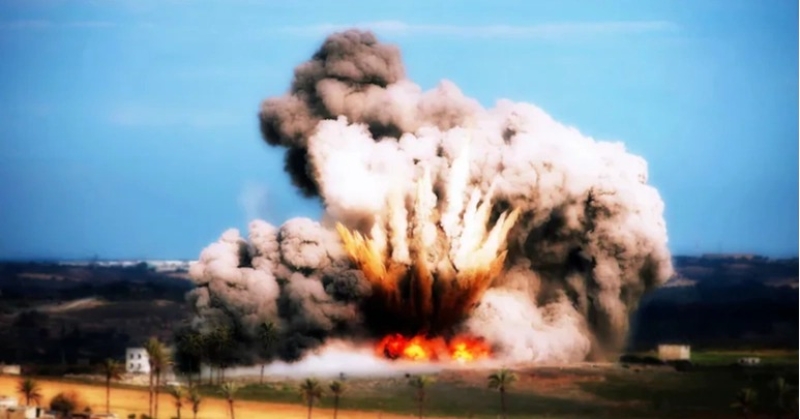
The explosions are known to have caused enduring and widespread harm to human health
Nuclear weapons testing conducted between 1945 and 2017 has affected every region of the planet and is linked to at least four million premature deaths from cancer and other diseases, according to a new report by Norwegian People’s Aid (NPA).
The report said more than 2,400 nuclear devices were detonated during tests over the seven-decade period, with health and environmental consequences that continue to be felt in many communities today.
Among the nine nuclear-armed states, only North Korea has carried out nuclear tests since the 1990s, the report noted.
Spanning 304 pages, the study said decades of secrecy, weak international engagement and limited access to data have left affected populations struggling for answers, recognition and support. NPA Secretary General Raymond Johansen said the legacy of nuclear testing “continues to kill today” and called for stronger global commitment to prevent any future testing or use of nuclear weapons.
The issue has gained renewed attention following remarks by US President Donald Trump last November suggesting Washington could resume nuclear testing, while accusing Russia and China of already doing so—claims both countries rejected, according to the report.
The findings show that people living near test sites have experienced higher rates of illness, congenital abnormalities and long-term psychological trauma. The report also said radioactive fallout from atmospheric tests spread far beyond test zones, leaving radioactive isotopes in human bodies across generations.
It further alleged that some governments continue to withhold critical information, including data on radioactive waste sites, and said existing compensation programmes have often failed to meet the needs of victims.