

- Bangladesh Plans Padma Barrage, First Phase at Tk34,608cr |
- US Expands Trump’s Gaza Peace Board, Invites More States |
- Spain Train Collision Kills 21, Leaves Dozens Injured |
- NCP Announces 27 Candidates, Aims for Seats After Exit |
- Govt Defends Prof Yunus’ Backing of ‘Yes’ Vote |
Nation Observes 90th Birth Anniversary of Ziaur Rahman
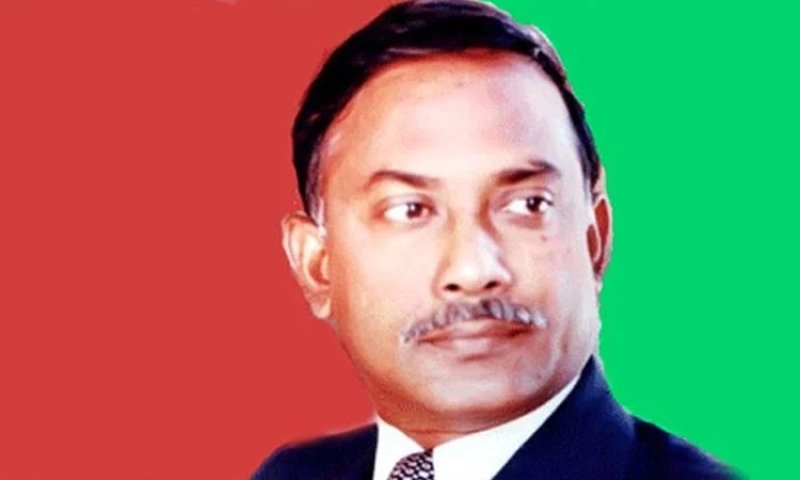
The architect of multi-party democracy and founder of Bangladesh Nationalist Party (BNP) Shaheed President Ziaur Rahman, Bir Uttam.
The 90th birth anniversary of Shaheed President Ziaur Rahman, Bir Uttam—proclaimer of independence, founder of the Bangladesh Nationalist Party (BNP) and a key architect of multiparty democracy—is being observed across the country today.
Ziaur Rahman was born on January 19, 1936, in Bagbari village of Gabtoli in Bogura district. He was the second of five sons of Chemist Mansur Rahman and Jahanara Khatun and was affectionately known as Kamol. He rose to national leadership during a turbulent period, coming to the centre of state power on November 7, 1975.
BNP, founded by Ziaur Rahman on September 1, 1978, is observing the occasion with a two-day programme beginning today. Party flags were hoisted at the BNP central office and party offices across the country at dawn. Leaders and activists, including members of the party’s National Standing Committee, are scheduled to place wreaths and offer Fatiha at his mausoleum in Sher-e-Bangla Nagar this morning.
To mark the anniversary, the Doctors’ Association of Bangladesh is organising a medical camp, while a discussion programme will be held on January 20 at the Institution of Diploma Engineers Bangladesh auditorium in Kakrail. Similar discussions and dua mahfils are being arranged nationwide by BNP and its affiliated bodies.
Ziaur Rahman is remembered with deep respect for his historic role in the Liberation War as commander of Sector 1 and the “Z Force.” On March 26, 1971, his declaration of independence inspired the nation to rise against occupation forces. For his bravery, he was awarded the gallantry title Bir Uttam.
After assuming the presidency, Ziaur Rahman restored multiparty democracy, ended one-party rule, revived freedom of the press and expression, and initiated political and economic reforms aimed at stabilising the country. He founded BNP and introduced a 19-point programme reflecting his vision for national development.
Ziaur Rahman was assassinated on May 30, 1981, in an abortive military coup. His leadership, patriotism and enduring influence on Bangladesh’s political landscape continue to be remembered as the nation marks his 90th birth anniversary.