

- Wage Board for Garment Workers to Be Formed Sunday |
- Mass mobilisation to secure river-water rights urged |
- HSC Results 2026 Published, Pass Rate Stands at 52.12% |
- Nations Agree to Revive Efforts to Meet 2030 Nature Goals |
- Dhaka Among World’s 15 Most Polluted Cities on Saturday |
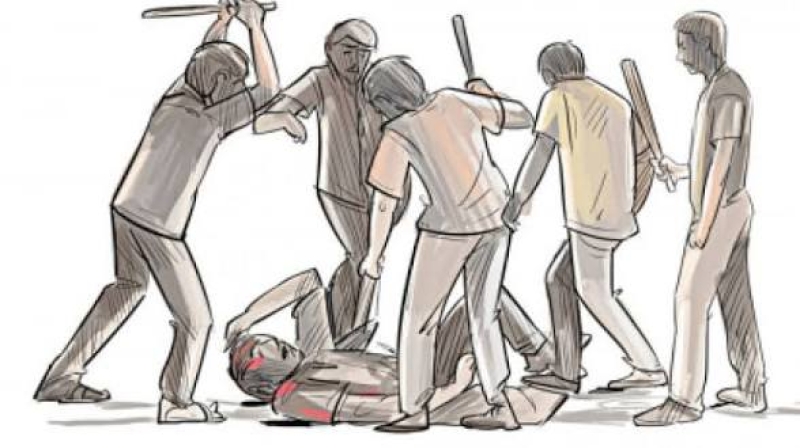
Bangladesh Records 32 Mob Violence Deaths in October: MSF
Representational image
Deaths from mob violence in Bangladesh increased by nearly 39 per cent in October compared with the previous month, while attacks on places of worship belonging to religious minorities rose sharply, raising concerns over human rights, public safety and accountability, according to a monthly review by the Manabadhikar Sanskriti Foundation (MSF).
The national human rights organisation, which compiled and monitored the information, reported that 32 people were killed in mob violence in October, up from 23 in September — an increase of 39.13 per cent. However, the number of people injured in such incidents fell from 74 to 54.
Attacks involving vandalism, damage and theft at places of worship belonging to religious minorities increased from 10 in September to 35 in October, a rise of 250 per cent.
Two incidents involving vandalism of minority households were recorded in Rangpur and Pirojpur, while attacks at markets left people injured in Brahmanbaria and Kushtia.
MSF said the incidents underscored the need to protect religious and cultural sites and uphold equal rights and dignity for all citizens. It stressed the importance of impartial investigations to establish the circumstances, motives and responsibility behind each incident.
The review also recorded an increase in deaths linked to internal political conflicts, despite a decline in the overall number of people injured in political violence.
The number of people injured in political violence dropped from 384 in September to 88 in October. However, deaths linked to internal conflicts within the BNP and Awami League rose from one to five.
Custodial Deaths and Police Operations
Deaths in prison custody declined from 24 in September to 16 in October. No deaths in the custody of law enforcement agencies were recorded during the month.
However, deaths reportedly caused by panic during special police operations increased from one to two.
The number of arrests during special operations rose from 6,565 to 7,439. Arrests of people identified as members of juvenile gangs also increased, from 1,707 to 2,563.
MSF said the circumstances of the incidents, grounds for arrest, medical information and law enforcement procedures needed to be examined to properly interpret the figures.
Freedom of Expression
Attacks or incidents of harassment involving journalists declined from 28 in September to 23 in October, while cases of legal harassment fell from nine to one.
Cases related to digital or cyber security laws also decreased from eight to two.
Despite the decline, continued attacks and online harassment of journalists remained a concern for press freedom, the publication of information in the public interest and accountability, the review said.
The number of unidentified bodies recovered increased from 71 to 73, while the number of recovered bodies whose identities were established fell from 14 to four.
The organisation stressed the importance of determining the causes of death, identifying the deceased and ensuring that every case received the necessary investigation.
Border Incidents
Deaths from shootings by India’s Border Security Force (BSF) declined from four in September to one in October. However, the number of people injured by gunfire increased from one to three.
One injury caused by a landmine explosion was also recorded along the Myanmar border.
Attempts to push people into Bangladesh from the Indian border declined from 103 to 92.
MSF said deaths, gunshot injuries and explosive-related incidents along the borders highlighted the need to protect border residents and ensure effective action by the relevant authorities.
In its overall assessment, the organisation said changes in the human rights situation were uneven across different areas. While incidents declined in some categories, the rise in deaths from mob violence, fatalities linked to internal political conflicts and attacks on places of worship belonging to religious minorities required particular attention.
It cautioned that statistics alone could not establish the causes, motives or responsibility for individual incidents, stressing that evidence-based verification and impartial investigations were essential.