

- HSC Results 2026 Published, Pass Rate Stands at 52.12% |
- Nations Agree to Revive Efforts to Meet 2030 Nature Goals |
- Dhaka Among World’s 15 Most Polluted Cities on Saturday |
- Over 12.70 lakh candidates await HSC, equivalent exam results |
- AI changing the way we think. Will we notice in time |
Dhaka Among World’s 15 Most Polluted Cities on Saturday
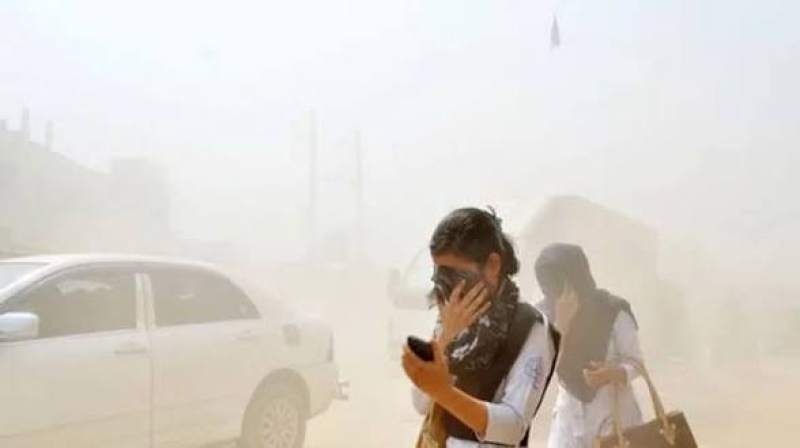
Dhaka ranked 13th among the world’s most polluted cities on Saturday morning, recording an Air Quality Index (AQI) score of 124 at 9:16am.
The city’s air quality was classified as “unhealthy for sensitive groups”, indicating that children, older people and individuals with respiratory or other health conditions may face greater risks from exposure.
Lahore in Pakistan topped the list with an AQI score of 316, followed by Hangzhou in China at 164 and Ho Chi Minh City in Vietnam at 162.
Under the AQI scale, readings between 50 and 100 are considered “moderate”, indicating generally acceptable air quality, although unusually sensitive individuals may experience minor health effects and are advised to limit prolonged outdoor exertion.
Readings between 101 and 150 are classified as “unhealthy for sensitive groups”, while scores of 151–200 are considered “unhealthy”. Readings between 201 and 300 are categorised as “very unhealthy”, and scores above 300 fall into the “hazardous” category, indicating serious health risks.
The AQI is used to report daily air quality and inform the public about pollution levels and their potential health effects.
In Bangladesh, the AQI is calculated using five major pollutants: particulate matter (PM10 and PM2.5), nitrogen dioxide (NO₂), carbon monoxide (CO), sulphur dioxide (SO₂) and ozone.
Dhaka has long struggled with air pollution. Air quality typically deteriorates during the winter months and improves with the arrival of the monsoon season.
The World Health Organization estimates that air pollution is associated with around seven million deaths worldwide each year, mainly from conditions including stroke, heart disease, chronic obstructive pulmonary disease (COPD), lung cancer and acute respiratory infections.