

- Bangladesh Has Only 189 Tigers, Warns State Minister |
- Study Finds Microplastics In Soybean Oil Sold In Dhaka |
- Study Finds Microplastics in 95% of Sugar Samples in Bangladesh |
- Japan Earthquake Kills 13, Search For Survivors Continues |
- Dhaka ranks 5th among world's most polluted cities |
Study Finds Microplastics In Soybean Oil Sold In Dhaka
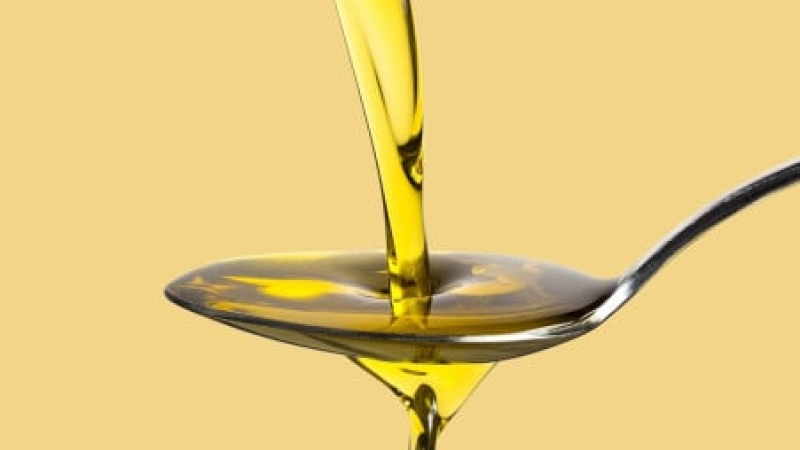
Representational image. Photo: Collected
A recent study has detected microplastics in both bottled and loose soybean oil sold in Dhaka, with loose oil containing significantly higher levels of contamination than bottled products.
Researchers from Jahangirnagar University and Bangladesh University of Professionals (BUP) found an average of 53,922 microplastic particles per litre after analysing soybean oil samples collected from the capital. Loose oil contained about 24% more particles than bottled oil.
The findings were published in the Journal of Food Composition and Analysis.
The researchers identified six types of plastic polymers in the samples: low-density polyethylene (LDPE), high-density polyethylene (HDPE), polypropylene (PP), polyethylene terephthalate (PETE), polyurethane (PU) and nylon.
They warned that long-term exposure to these tiny plastic particles through food could pose potential health risks.
Higher contamination in loose oil
The study analysed 60 one-litre soybean oil samples. Three brands of bottled oil were purchased from supermarkets in Dhaka, while loose oil samples were collected from Tejgaon, Uttara and Dhaka Cantonment.
Ten samples from each group were combined into six composite samples, with each tested three times using microscopy and laboratory techniques capable of identifying different plastic materials.
Loose soybean oil contained an average of 59,778 particles per litre, compared with 48,067 particles per litre in bottled oil.
The highest contamination level was recorded in a loose oil sample collected from Tejgaon, which contained 70,467 particles per litre.
According to the researchers, nearby plastic and textile factories, airborne synthetic fibres and the repeated use of plastic containers may have contributed to the higher contamination levels in loose oil.
They added that bottled oil could also become contaminated during processing and packaging through contact with plastic pipes, seals, filters and storage containers.
Types of plastics detected
Fibres accounted for 82.5% of all particles found, while fragments made up 9.6%.
Transparent particles were the most common, representing 56.29% of the total.
Most particles measured between 101 and 500 micrometres, while another significant proportion ranged between 501 and 1,000 micrometres.
Using Fourier Transform Infrared Spectroscopy (FTIR), the researchers identified six plastic polymers in the oil samples.
They noted that this is the first reported detection of polyurethane and nylon in soybean oil in Bangladesh.
The study suggested these materials may have entered the oil through processing equipment, seals, filters or packaging materials.
"We analysed both branded and loose soybean oil sold in Dhaka and found thousands of microplastic particles per litre, with fibres and fragments being the most common," said Professor Shafi M Tareq of Jahangirnagar University's Department of Environmental Sciences, a co-author of the study.
Estimated exposure
The researchers also estimated human exposure based on average soybean oil consumption and assumed body weights of 70kg for adults and 16kg for children.
Under this model, adults could ingest an estimated 17.65 microplastic particles a day, while children could consume 77.21 particles daily.
The annual estimates were 6,441 particles for adults and 28,180 particles for children, while a child's lifetime exposure was estimated at around 2.09 million particles.
The researchers stressed that these are modelled estimates based on consumption patterns and body weight rather than direct measurements of microplastics inside the human body.
Potential health concerns
Referring to previous scientific studies, the researchers said prolonged exposure to microplastics may be associated with gastrointestinal inflammation, hormonal disruption, metabolic disorders and cellular damage.
They also noted that particles smaller than 130 micrometres may pass through the intestinal wall and enter body tissues, although the study itself did not examine health effects in humans.
"Microplastics are now considered an emerging contaminant," Professor Tareq said.
"They may create long-term risks to human health, including hormonal imbalance, metabolic problems and adverse effects on the reproductive system."
The study classified all six sample groups as having moderate contamination based on its microplastic contamination factor, while the overall pollution-load index placed them in the low pollution-risk category. The researchers noted that this index is a comparative measure rather than an official food safety standard.
Public health expert Dr MH Choudhury Lelin said microplastics have become a growing concern because they have already been detected in various human organs as well as in many everyday consumer products.
He warned that harmful chemicals can attach to microplastic particles, potentially increasing the risk of cancer and causing damage to the liver, kidneys and other vital organs.
Call for stronger monitoring
The researchers said Bangladesh currently lacks specific regulations and routine monitoring systems for microplastics in food, leaving major gaps in understanding contamination levels and potential health impacts.
They recommended stricter quality control throughout soybean oil production, refining, storage, transportation and marketing, including the use of food-grade filters and tighter oversight of loose oil sales.
"Completely eliminating plastic is not realistic at present," Professor Tareq said.
"Alongside proper plastic waste management, reuse and recycling systems must also be strengthened."
The researchers concluded that reducing contamination throughout the food production chain is essential for improving food safety and protecting public health.