

- Oil Prices Near $100 as Middle East Tensions Escalate |
- Yamal eyes Ballon d'Or award |
- 5 more Iranian oil tankers destroyed after missile attacks on US warship |
- Tobacco use can undermine fertility, UN health agency warns |
- Dengue Deaths Hit Record High as 9 Die in 24 Hours |
Oil Prices Near $100 as Middle East Tensions Escalate
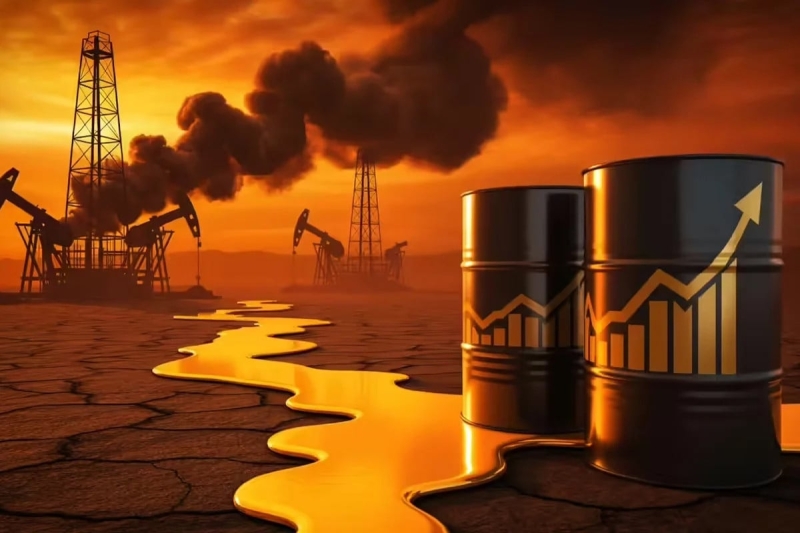
International crude oil prices continued to rise on Wednesday, with Brent crude approaching the key $100-per-barrel mark as escalating tensions in the Middle East raised concerns over global oil supplies.
Brent crude futures rose $1.57, or 1.6%, to $99.49 a barrel, its highest level since late June. At the same time, U.S. West Texas Intermediate (WTI) crude climbed $1.60, or 1.72%, to $94.63 a barrel.
The latest escalation in the conflict involving Iran and the United States has been a major factor behind the price increase. Iranian-backed Houthi forces in Yemen attacked several Saudi cities, while U.S. forces struck Iranian oil tankers and Iran targeted a U.S. military base in Jordan, heightening concerns over energy supplies from the region.
The attacks have also raised fears of further disruptions to oil production, energy infrastructure and shipping routes in the Gulf. Saudi Arabia has been diverting some oil exports away from the Strait of Hormuz, but continued attacks could make it more difficult to maintain crude supplies to global markets.
Oil prices have risen sharply in recent weeks as the conflict has intensified. Brent crude had already approached $99 a barrel on September 8 after attacks on Saudi energy facilities. However, continued shipments through the Strait of Hormuz and the use of alternative export routes have helped keep prices below the $100 threshold.
Analysts warn that crude prices could rise further if the conflict persists or causes significant damage to oil production and transportation infrastructure. Prolonged higher oil prices could also increase inflationary pressures and weigh on global economic growth.