

- India Distances Itself From Hasina's Press Conference |
- Green transition: Pay the Least, Benefit the Most |
- Road accidents claim 14 lives in Sylhet, Bogura |
- 300 children killed in 300 days of Israeli-Hamas ‘ceasefire’ |
- Nearly 900 primary schools in Cumilla run without head teachers |
Food Prices Rise in July Amid Heatwaves, Energy Hikes
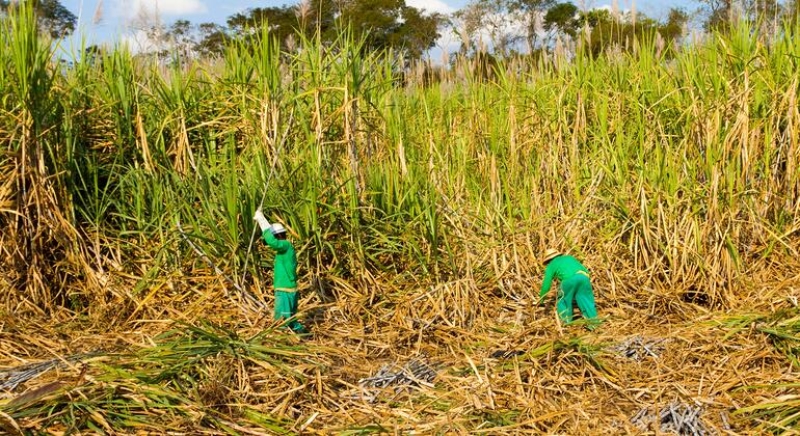
Workers harvest sugarcane in a field in Brazil.
Global food prices edged higher in July as heatwaves, energy price increases and geopolitical tensions put pressure on agricultural markets, the UN Food and Agriculture Organization (FAO) said on Friday.
The FAO Food Price Index showed that a basket of key staple foods cost 1% more in July than a year earlier.
Sugar recorded the sharpest monthly increase, rising 5.6% in July, mainly due to concerns that persistent hot and dry weather could reduce crop yields in the European Union and that El Niño-related conditions could affect key producing countries in Asia.
Cereal prices also increased, rising 3.4% from June and standing 6.9% above their July 2025 level.
Global wheat prices climbed 5.8%, driven by continued disruptions to Black Sea exports amid Russia’s ongoing war in Ukraine, as well as concerns over the impact of recent heatwaves on crops in several countries.
Maize prices rose 3.6%, reflecting concerns over hot and dry conditions in parts of the United States and the impact of higher energy prices amid heightened geopolitical tensions.
The vegetable oil price index increased 2%, reaching its highest level since June 2022. The rise was linked to stronger demand from Indonesia’s biodiesel sector and higher crude oil prices.
Soybean oil prices also increased due to strong feedstock demand in the United States, while global sunflower and rapeseed oil prices declined.
Meanwhile, food insecurity experts reported a notable improvement in Malawi’s hunger situation compared with the previous two years, largely due to a better harvest during the 2025/26 farming season following the severe effects of El Niño in 2024/25.
Despite the improvement, around 1.9 million people in Malawi are currently experiencing crisis-level acute food insecurity, classified as Phase 3 on the Integrated Food Security Phase Classification (IPC) scale.
The situation is expected to worsen during the October 2026 to March 2027 lean season, when the number of people facing crisis-level hunger or worse could rise to 2.6 million.
The IPC said high food prices, inflation and below-average staple production are driving food insecurity, while forecasts of a strong El Niño during the 2026/27 rainy season underscore the need for close monitoring.