

Wednesday, October 14, 2026
News update
- No Plan for Operation Clean Heart-Style Drive Now: Home Minister |
- Bangladesh Eyes $10b in UK Exports Through Diversification |
- 20 Bangladeshis Killed After Trafficking to Russia for War |
- Guterres proposes slimmer $3.3 billion UN budget for 2027 |
- President Proposes National Committee to Protect Minority Rights |
Why Saudi Defences Struggle Despite Huge Military Spending
GreenWatch Desk:
Conflicts
2026-10-14, 10:24am
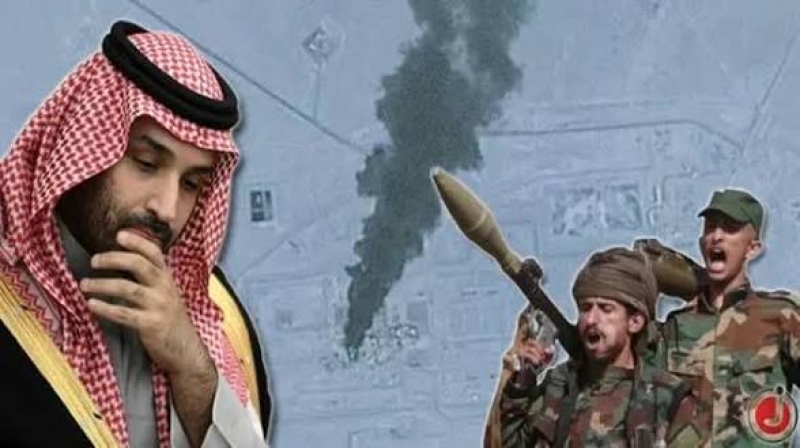
Despite spending billions of dollars annually on defence, Saudi Arabia is struggling to protect sensitive infrastructure, including airports, oil refineries and pipelines, from missile and drone attacks by Yemen’s Houthi movement.
Even with advanced weapons from the United States and Europe and a multilayered air defence system, the kingdom has been unable to prevent all attacks on critical sites, including its main airport in Riyadh.
According to data from the Stockholm International Peace Research Institute (SIPRI), Saudi Arabia spent $83 billion on defence last year, placing it among the world’s largest military spenders. Its arsenal includes US fighter jets, advanced Patriot and THAAD air defence systems, and sophisticated weapons acquired from France and the United Kingdom.
However, protecting the kingdom presents a major challenge because of its vast territory and threats from multiple directions.
During the latest escalation, Iranian forces reportedly launched nearly 1,000 missile and drone attacks against Saudi targets from the east. Iran-backed militias in Iraq have also sent drones towards the kingdom’s strategically important East-West oil pipeline, while the Houthis continue launching attacks from mountainous areas in Yemen to the south.
Why Saudi Arabia’s Defences Face Challenges
Saudi Arabia must protect an extensive network of critical infrastructure rather than just a few high-profile locations. Identifying incoming threats, deciding which ones to intercept and alerting civilians often require decisions within seconds.
Although Saudi air defences have intercepted many incoming missiles and drones, some have still reached their targets. The large number of vulnerable sites also forces military planners to make difficult decisions about where to deploy limited defensive resources.
The Houthis have increasingly combined ballistic missiles, cruise missiles and long-range drones to overwhelm or confuse air defence systems. Similar tactics have been used in the Russia-Ukraine war, where multiple types of weapons are launched in coordinated attacks.
Cruise missiles can fly at relatively low altitudes, making them harder for radar systems to detect and track. The Houthis also claim to possess newer ballistic missiles capable of changing their flight paths.
No single air defence system can guarantee complete protection against every aerial threat.
The Houthis’ Growing Capabilities
The Houthis’ capabilities have developed over several years. UN experts previously identified missile remnants and drones in Yemen with Iranian origins, while monitoring reports have described extensive external support involving weapons, technology, funding and training.
Military experts have also pointed to similarities between some Houthi missiles and Iranian weapons. The group has continued to develop its capabilities despite foreign military operations targeting its positions.
The Houthis are also part of Iran’s regional network of allied armed groups, although they maintain their own political objectives. Tehran has offered to help mediate between Saudi Arabia and the Houthis, but the group has continued to pursue its demands and military campaign.
Saudi Arabia’s Difficult Choices
Saudi Arabia faces a difficult choice as tensions escalate. Intensifying airstrikes could increase the risk of further retaliation, while a negotiated settlement could carry political costs after attacks on prominent Saudi targets.
The stakes extend beyond the oil industry. Data centres, desalination plants, airports and other critical facilities underpin the kingdom’s technology, water supply and tourism sectors. Attacks on these sites could threaten economic diversification plans and undermine investor confidence.
The kingdom is seeking international support to strengthen its defences. Regional partners have offered assistance, while Riyadh may look to the United States and Europe for additional weapons and air defence interceptors.
However, replenishing advanced weapons stocks can take time, particularly when other conflicts place pressure on defence industries and available supplies.
A large-scale ground operation against the Houthis would also be difficult. Military analysts point to the group’s experience, organisation and familiarity with Yemen’s mountainous terrain as major obstacles.
Saudi Arabia therefore faces a challenge that money and advanced weapons alone may not resolve: defending a vast network of infrastructure against an adaptable opponent capable of launching attacks from multiple directions.