

- Pakistan Welcomes Bangladesh’s Interest in Makkah Pact |
- Nepal Floods Highlight Rising Glacier Risks in Himalayas |
- Deadly floods cause widespread destruction in China, Nepal |
- 80 maunds (3 tons) of hilsa caught in one net in the Bay |
- Glacier collapse likely caused Nepal-Tibet flood, scientists say |
Nepal Floods Highlight Rising Glacier Risks in Himalayas
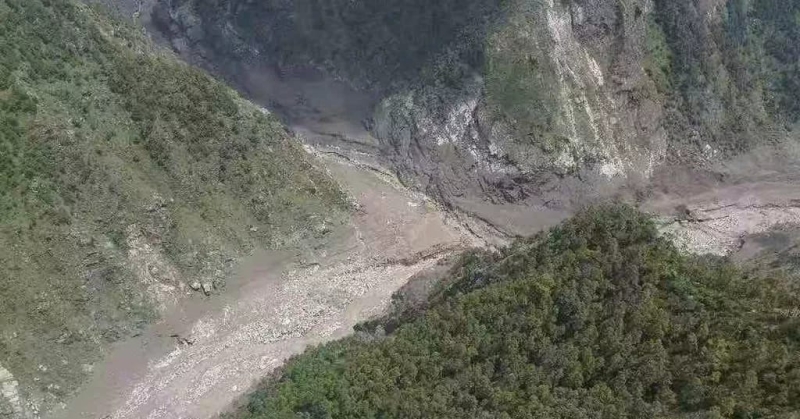
A deadly flash flood in Nepal that killed hundreds and left many others missing was likely triggered by the collapse of a large section of glacier, scientists said, highlighting the growing risks posed by a warming Himalayan region.
The flood struck parts of Nepal on Wednesday after a massive amount of ice and rock apparently fell into the Lhende Khola, a tributary of the Bhote Koshi River. The falling material may have temporarily blocked the river, causing water to build up before the blockage gave way and sent a powerful surge downstream.
Researchers are still analysing satellite imagery and ground data to determine exactly how the disaster unfolded.
The US Geological Survey identified the event as a magnitude 5.2 glacier collapse that sent ice, rock and debris downstream.
Jakob Steiner, a geoscientist at the University of Graz in Austria, said satellite images indicated that a large lower section of the glacier had broken away and fallen.
Scientists cautioned that the disaster cannot yet be directly attributed to climate change. However, they said rising temperatures are rapidly altering the Hindu Kush Himalaya region and increasing the likelihood of dangerous glacier-related events.
Saswat Sanyal, a disaster risk reduction specialist at the International Centre for Integrated Mountain Development (ICIMOD) in Kathmandu, said rising temperatures are causing significant changes across the region and accelerating glacier melt.
Sudden surge left little time to escape
Researchers said water levels in some rivers rose by as much as nine metres within 30 minutes after the glacier collapse.
Preliminary findings suggest that a large volume of ice and rock fell into the Lhende Khola, displacing water and sweeping up loose sediment and boulders to create a powerful debris flow.
Scientists are also investigating whether the falling material temporarily blocked the river, allowing water to accumulate before the blockage broke apart and intensified the downstream flooding.
The affected valley has experienced other major mountain disasters, including a glacial lake flood in 2025 and an ice and rock avalanche elsewhere in the region in 2024.
Warming increases glacier-related hazards
The Hindu Kush Himalaya is warming rapidly, bringing major changes to glaciers, snow cover, permafrost and mountain slopes.
The region contains more than 63,000 glaciers that supply water to at least 10 major Asian river systems and support the food, water and energy needs of billions of people.
Scientists estimate that about 78% of glacier areas between 4,500 and 6,000 metres above sea level are highly exposed to warming.
ICIMOD research has found that glacier melt across the region has accelerated, with ice-loss rates doubling since 2000.
As glaciers retreat, melting ice can enlarge glacial lakes and increase the risk of sudden floods. Loss of ice support can also expose mountain rock to warmer temperatures, rainfall and repeated freezing and thawing, making slopes increasingly unstable.
Experts warn that a single glacier collapse or avalanche can trigger a chain of hazards, including debris flows, river blockages and devastating flash floods.
Early warning systems crucial
Scientists said the latest disaster underscores the need for stronger monitoring and early warning systems across the Himalayas.
Steiner said around 10% of Nepal’s power-generation capacity is located in the affected valley, highlighting the risks to critical infrastructure.
With more than a million tourists visiting Nepal annually in recent years, experts said warning systems must protect both local communities and visitors.
However, monitoring thousands of glaciers, steep slopes and river valleys across the Himalayas remains extremely challenging.
Sanyal said authorities may have only a few minutes to respond once a chain of mountain hazards begins.
Experts called for stronger early warning systems, improved monitoring and faster information-sharing among Himalayan countries as climate change continues to make mountain environments increasingly unstable.