

- Iran dismisses Trump’s threats, vows swift response to any US attack |
- Student-led shrimp farming sparks rural aquaculture boom in Naogaon |
- Bangladesh Sets Path for Sustainable Farming by 2050 |
- Child rescued from deep tube-well hole in Ctg dies |
- Days ahead will be very challenging for journalists' - ABM Mosharraf |
Gold price crosses Tk 286,000 per bhori in Bangladesh
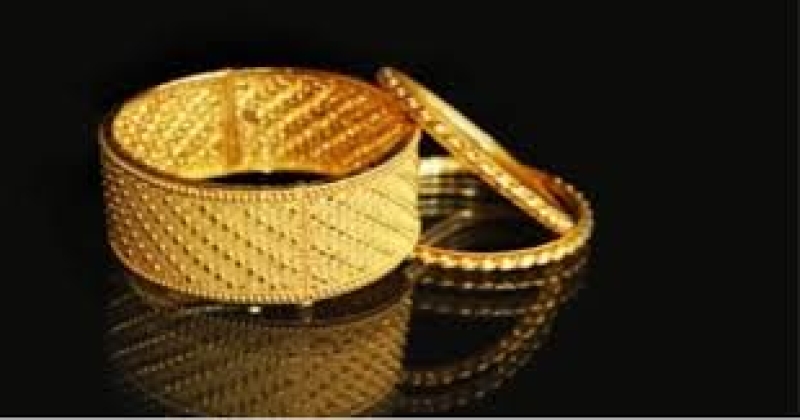
Gold prices in Bangladesh soared to a new all-time high on Thursday as the rate of 22-carat gold crossed Tk 286,000 per bhori following a sharp hike by the Bangladesh Jewellers Association (BAJUS).
In a notice issued in the morning, BAJUS said the price of 22-carat gold has been raised by Tk 16,213 per bhori to Tk 286,001, with immediate effect.
The latest adjustment has pushed gold prices to a record high within just 24 hours and marks the largest single-day increase announced by BAJUS in recent years.
The jewellers’ body cited a rise in the local price of pure gold (tejaabi gold) as the main reason behind the latest hike, saying the new rates were fixed after reviewing the overall market situation.
Under the revised rates, 21-carat gold will sell at Tk 272,996 per bhori, while 18-carat gold has been set at Tk 233,980 per bhori. Gold made under the traditional method will cost Tk 193,039 per bhori.
In addition to the declared prices, buyers will have to pay a mandatory 5 percent VAT fixed by the government and a minimum 6 percent wage set by BAJUS. The wage may vary depending on the design and quality of the jewellery.
Earlier on January 28, BAJUS had increased the price of 22-carat gold by Tk 7,348 per bhori, fixing it at Tk 269,788—then the highest gold price in the country’s history.
With the latest revision, gold prices have been adjusted 16 times in the domestic market so far this year, including 13 increases and three cuts.
Silver prices have also been raised alongside gold. The price of 22-carat silver has been increased by Tk 816 per bhori to Tk 8,573, marking the highest silver price ever recorded in Bangladesh.
Under the new rates, 21-carat silver will sell at Tk 8,165 per bhori, 18-carat silver at Tk 6,998, and traditional silver at Tk 5,249 per bhori.
So far in 2026, silver prices have been adjusted 12 times, with nine increases and three reductions.
Meanwhile, gold prices in the global market continue to surge. In the spot market, gold prices have crossed $5,500 per ounce—an unprecedented level. Analysts say spot gold prices have jumped by around 25 percent in January alone.
Market analysts attribute the rally to a weaker US dollar, interest rate policies of the Federal Reserve, growing geopolitical tensions, and increased reliance on gold by central banks worldwide, reports UNB.