

- After the blaze, Kalshi slum dwellers see what little remains |
- Dhaka, 5 other divisions to see heavy rainfall in 24 hours |
- Over 1.6 Million Pilgrims Gather at Sacred Arafat |
- Mayoral candidates' Eid greetings to Kalapara residents on social media |
- Dhaka moves for new $4-4.5 bn IMF programs, drops current one |
Bangladesh to Import 5 Lakh Tonnes of Russian MOP
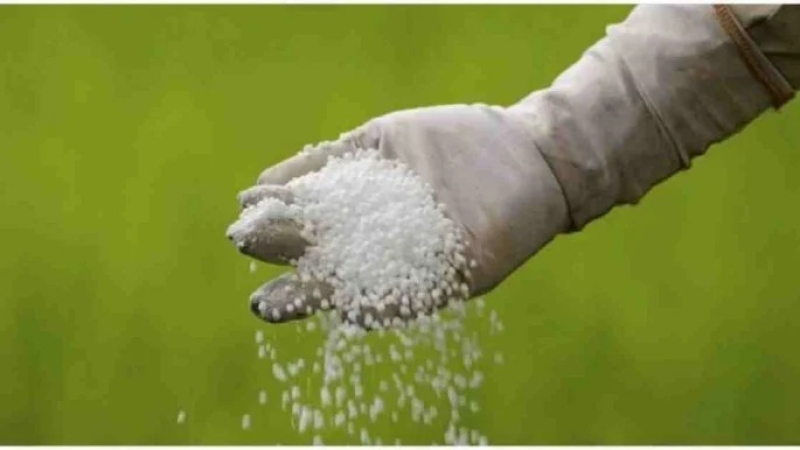
Bangladesh is set to import more than 500,000 tonnes of muriate of potash (MOP) fertiliser from Russia in the 2026–27 fiscal year under a new agreement aimed at supporting the country’s agricultural demand.
The agreement was recently signed between the Bangladesh Agricultural Development Corporation (BADC) and Russia’s Prodintorg as part of ongoing cooperation in the fertiliser sector.
Representatives from both countries attended the signing ceremony, including senior officials from the agriculture sector and diplomatic representatives.
From the Bangladesh side, Agriculture Secretary Rafiqul Mohamed and officials from the Ministry of Agriculture and BADC were present at the event. Russian representatives, including Ambassador Alexandr Khozin and officials from the Ministry of Agriculture and Prodintorg, also attended.
Bangladesh has been importing MOP fertiliser from Russia through Prodintorg for several years under previous arrangements, reflecting a longstanding partnership in the sector.
Officials said the latest agreement marks one of the largest bilateral arrangements between the two countries in the fertiliser sector and is expected to strengthen cooperation in agricultural inputs and supply security.
MOP fertiliser, a key source of potassium for crops, plays an important role in improving soil fertility and enhancing agricultural productivity. Ensuring a stable supply of fertiliser remains crucial for supporting Bangladesh’s farming sector and food production targets.