

- Wage Board labour reps seek release of detained workers |
- Gazipur Deploys 10 BGB Platoons Amid Garment Workers’ Protests |
- Bangladesh’s Plastic Crisis Demands Action Across Generations |
- Dhaka Ranks Fourth Globally in Air Pollution Index on Monday |
- USS Warrior Arrives in Chattogram for CARAT Bangladesh 2026 |
What are Iran’s seven conditions for peace talks with the US?
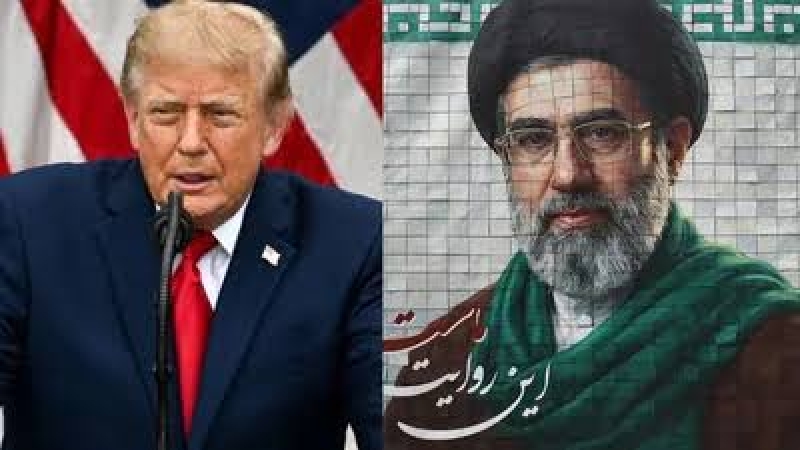
Iran has outlined a series of demands that it says must be addressed before the Strait of Hormuz can be reopened and peace negotiations with the United States can begin. Tehran is insisting that Washington meet seven conditions, which include lifting economic sanctions, reducing its military presence in the Middle East, releasing frozen Iranian assets and ending hostilities across the region.
The conditions reflect Iran’s position that any meaningful diplomatic settlement must address not only the immediate conflict but also broader economic, military and political disputes between the two countries.
Iranian security chief Mohsen Rezaei previously said in September that Tehran had established its conditions for negotiations. However, he disclosed only some of the demands at the time.
Speaking on Saturday, Iranian Foreign Minister Abbas Araghchi provided further details, outlining the demands that Tehran wants Washington to address before progress can be made towards peace talks.
According to Araghchi, Iran's conditions include the following:
1. Lifting US economic sanctions
Iran wants the United States to remove sanctions imposed after the collapse of the Islamabad memorandum of understanding (MoU) in July. Tehran considers the sanctions a major obstacle to economic recovery and believes their removal should be part of any agreement aimed at ending the confrontation.
2. Reducing the US military presence in the region
Another major demand is a reduction in American military forces and their presence across the Middle East. Iran has repeatedly raised concerns about US military deployments in the region, viewing them as a security challenge and a source of regional tension.
3. Reinstating oil waivers
Tehran is also demanding the restoration of oil waivers granted in June under the Islamabad MoU. These waivers were intended to provide Iran with some relief from restrictions affecting its oil exports and energy revenues.
Reinstating them would be an important economic measure for Iran, particularly as the country seeks greater access to international energy markets.
4. Releasing frozen Iranian financial assets
Iran wants Washington to release its frozen funds held abroad, including assets kept in Qatar. Tehran argues that these financial resources should be made accessible as part of efforts to resolve the dispute.
The release of frozen Iranian funds has long been a significant issue in negotiations between Tehran and Washington, with financial restrictions forming a central part of their wider disagreement.
5. Recognising Iran and Oman's new shipping route in the Strait of Hormuz
One of the most significant demands concerns the strategic Strait of Hormuz, a vital international waterway through which a substantial volume of the world's oil shipments passes.
Iran is demanding formal recognition of a new shipping route established by Iran and Oman. It also wants all other routes through the strait to be closed.
This condition could have major implications for international maritime traffic, commercial shipping and global energy supplies. Any changes to established shipping arrangements in the waterway are likely to attract international attention because of its importance to global trade.
6. Ending the war on all fronts
Tehran is demanding an end to hostilities across all conflict areas, with particular emphasis on Israeli military attacks in Lebanon.
Iran's position suggests that a peace agreement cannot be limited to the direct confrontation involving Washington and Tehran. Instead, it wants the broader regional conflict, including the fighting involving Israel and Lebanon, to be addressed as part of any settlement.
7. Ending the US naval blockade and interference in Iran's internal affairs
Rezaei had also identified two additional demands in September: an end to the US naval blockade of Iranian ports and an end to American interference in Iran's domestic affairs.
He specifically objected to US cooperation with what he described as “the opponents of our revolution”.
These demands underline Tehran's insistence that any agreement must respect Iran's political independence and remove restrictions that it considers a threat to its sovereignty.
Why are Iran's conditions important?
Iran's demands go beyond simply establishing a ceasefire or reopening the Strait of Hormuz. They cover economic sanctions, military deployments, international financial assets, maritime arrangements and the wider regional conflict.
The Strait of Hormuz is particularly important because it is one of the world's most strategically significant energy transportation routes. Any prolonged disruption to shipping through the waterway could affect oil supplies, international trade and energy prices.
For the United States, accepting Tehran's demands could involve significant changes to its regional military posture, sanctions policy and approach to maritime security. Several of the conditions would also require broader diplomatic discussions involving other regional countries.
What happens next?
The seven conditions set out by Tehran establish the framework Iran says must be addressed before negotiations can move forward and the Strait of Hormuz can reopen.
However, it remains unclear whether Washington would be willing to accept the demands in their current form. The conditions involve issues that have been at the centre of US-Iran tensions for years, making any potential agreement diplomatically complicated.
For now, Iran is maintaining that the reopening of the strategic waterway and the beginning of peace negotiations are linked to its demands being addressed. Whether the two sides can find common ground will be a major factor in determining the next phase of the crisis.