

- Gazipur Deploys 10 BGB Platoons Amid Garment Workers’ Protests |
- Bangladesh’s Plastic Crisis Demands Action Across Generations |
- Dhaka Ranks Fourth Globally in Air Pollution Index on Monday |
- USS Warrior Arrives in Chattogram for CARAT Bangladesh 2026 |
- Garment Workers’ Protest Shuts Five Metro Rail Stations |
Iran Conflict Pushes Global Oil Prices Up by 54%
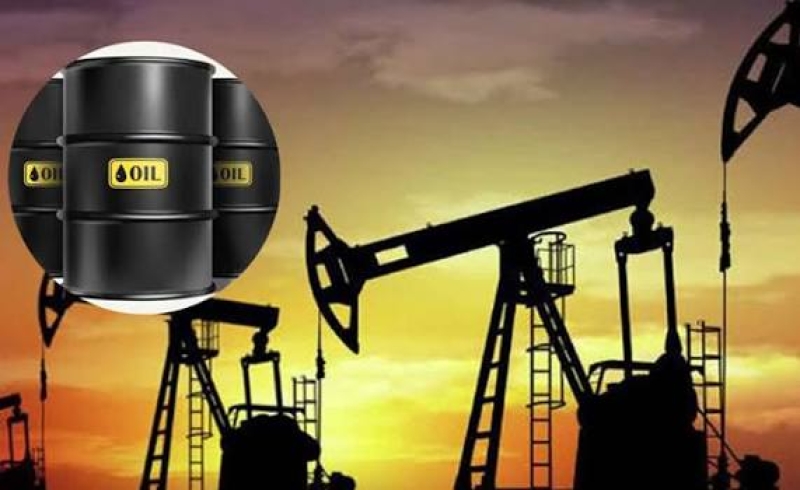
The impact of the US-Israeli war involving Iran continues to disrupt global energy markets. Eight months after the conflict began, oil supplies and international prices have yet to return to normal. Volatility has affected not only crude oil but also diesel, petrol and aviation fuel. In particular, diesel shortages and sharp price increases are putting additional pressure on the global economy, transportation costs and inflation.
Before the war, international Brent crude prices ranged between $72 and $73 per barrel. By November 2, 2026, the price had climbed to around $112, representing an increase of approximately 54% from pre-war levels.
According to a February 27, 2026, market report, Brent crude futures rose 2.45% that day to settle at $72.48 per barrel amid military tensions surrounding Iran and concerns over possible supply disruptions. The US benchmark West Texas Intermediate (WTI) crude stood at $67.02 per barrel.
On November 2, Brent crude prices eased to $111.84 per barrel, while WTI traded at $102.56. Compared with the final trading session before the war, Brent had gained $39.36 per barrel, or approximately 54.3%. WTI prices have also risen substantially.
The crisis, however, extends beyond the crude oil market. Refined products such as diesel, petrol and jet fuel have also experienced supply shortages and price increases. In many cases, prices for these products have risen faster than crude oil prices.
According to the International Energy Agency’s (IEA) October Oil Market Report, published on October 14, wholesale diesel prices in Singapore exceeded $200 per barrel in mid-September. Prices peaked at around $220 in European and US markets.
Although prices have declined somewhat from those record highs, international benchmark diesel prices remain close to twice the price of crude oil. They also remain significantly above pre-war levels.
Recent prices for refined fuels further illustrate the extent of the crisis. According to a Singapore market assessment on October 30, 10-parts-per-million gasoil, or diesel, was priced at $170.02 per barrel. Gasoline stood at $127.64, while jet kerosene was priced at $168.42 per barrel.
However, crude oil and refined fuel prices cannot be compared directly. Diesel, gasoline and jet fuel are produced by refining crude oil, and their final prices depend on refinery capacity, feedstock availability, transportation costs and refining margins. As a result, a decline in crude prices may take time to translate into lower prices for refined fuels.
Supply Disruptions in the Strait of Hormuz Fuel Market Concerns
One of the main drivers of global energy market volatility is the disruption of oil and gas transportation through the Strait of Hormuz. Before the war, roughly one-fifth of the world's seaborne oil and gas trade passed through this strategically important Middle Eastern waterway. Disruptions to shipping through the strait have therefore had a significant impact on international energy supplies.
An IEA analysis published in July said disruptions to shipments through the Strait of Hormuz and attacks on regional energy infrastructure following the outbreak of war on February 28 had created an unprecedented supply crisis in global markets. At one stage, prices in the physical crude oil market approached $150 per barrel.
The agency also reported that, although crude oil supplies had partially recovered, exports of refined fuels were recovering much more slowly. In September, exports of refined petroleum products and liquefied petroleum gas (LPG) from the Middle East fell to less than half their pre-war levels. Global supplies of diesel and gasoil remained under pressure during the same period.
Prices Ease, but Supply Risks Remain
International oil prices declined somewhat on November 2 amid reports of diplomatic efforts to end the war. News of discussions between Iranian and Qatari officials for a third consecutive day reportedly had a positive effect on market sentiment. However, the decline does not necessarily indicate that energy markets are returning to normal.
Market reports indicate that concerns over tanker attacks in the Strait of Hormuz and potential disruptions to oil exports continue to pose risks. There are also concerns that tensions involving Iran could intensify after the US midterm elections.
Meanwhile, the US Energy Information Administration’s October outlook warned that pressure on diesel markets could persist into 2027 because of supply constraints and declining global fuel inventories. The agency also projected that global oil demand in 2026 could fall compared with the previous year.
Overall, Brent crude has risen from around $72 per barrel before the war to nearly $112. The crisis has become particularly pronounced in refined fuel markets, including diesel. The future direction of global energy prices will depend on the end of the conflict, the restoration of normal shipping through the Strait of Hormuz and the recovery of energy supplies from the Middle East.