

- Middle East Conflict Hits Bangladesh Labour Market |
- Millions face growing hunger as Iran conflict fuels food crisis: UN |
- Bus plunges into Padma from pontoon at Daulatdia |
- Tree logging in Bangladesh has fallen in last two years: Study |
- Unsafe Food Kills 1.5 Million Yearly, WHO Warns Report |
49 die of thirst after truck breaks down in Niger desert
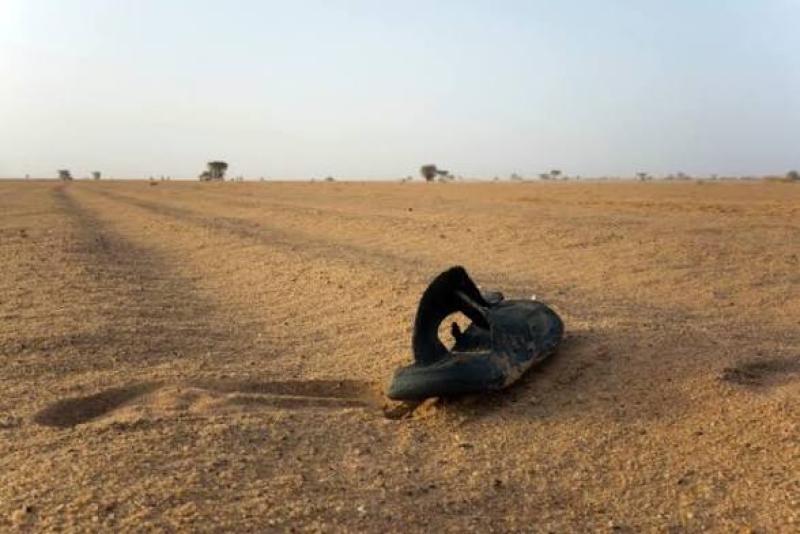
At least 49 people have died from dehydration after a truck carrying passengers broke down in the Sahara Desert in northern Niger, leaving them stranded for several days, authorities said.
According to officials in Niger’s Agadez region, all of the victims were Nigerien citizens returning home from a religious festival in neighboring Mali when their vehicle stalled more than 80 kilometers west of Assamaka, near the borders with Mali and Algeria.
Two survivors managed to walk over 50 kilometers to reach a water source before continuing on to Assamaka, where they alerted local authorities about the incident.
A team dispatched by Agadez Regional Governor Gen. Ibra Boulama Issa later confirmed that the truck had been traveling for several days from Talhandek, a town in Mali located about 300 kilometers from the Niger border.
Authorities have not yet determined what caused the breakdown or how long the passengers remained stranded.
Officials described a grim scene upon arrival, saying dozens of bodies were found beneath and around the immobilized truck.
Reports said the passengers, including the driver and assistant, were unable to repair the vehicle and were left without water in extreme desert conditions, where high temperatures and the absence of supply points made survival nearly impossible.
Photos released by regional authorities showed scattered belongings and bodies across the desert landscape.
The victims were later buried in mass graves at the site in what officials described as a difficult and emotionally exhausting operation, reports UNB.