

- US Issues Travel Alert for Bangladesh Ahead of Election |
- Air ambulance carrying bullet-hit Hadi flies for Singapore |
- Can Dhaka’s arms recovery drive ensure peaceful polls? |
- ‘Unhealthy’ air quality recorded in Dhaka Monday morning |
- BD peacekeepers' deaths: UN chief calls Dr. Yunus, offers condolence |
Korean envoy urges reforms to boost Bangladesh investment
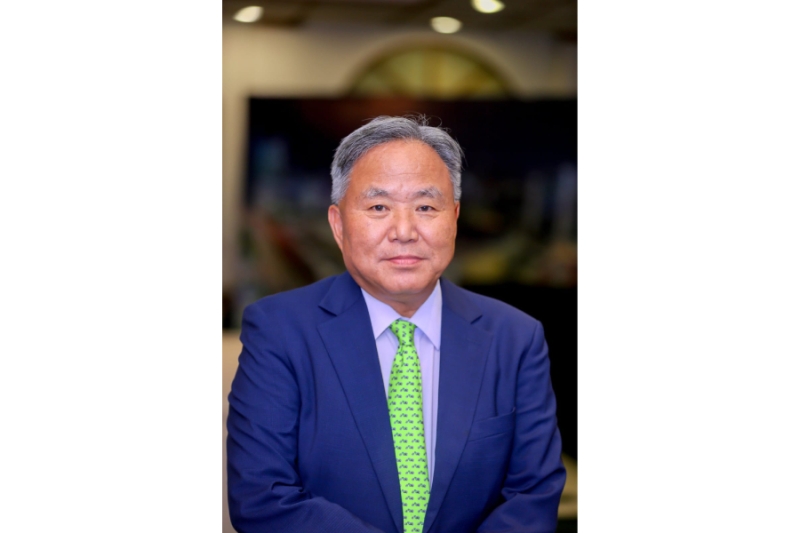
Bangladesh remains a promising destination for South Korean investment, but deeper reforms to its business environment are essential to attract sustained foreign capital and support a smooth transition beyond least developed country (LDC) status, South Korea’s outgoing ambassador to Dhaka has said.
Ambassador Young-sik Park highlighted growing economic engagement between the two countries, pointing to rising investment in manufacturing, continued cooperation in infrastructure and the strategic importance of a proposed Comprehensive Economic Partnership Agreement (CEPA).
South Korea is currently Bangladesh’s fifth-largest source of foreign direct investment, with companies expanding beyond garments into automobiles, mobile phones and consumer electronics, often through joint ventures. Firms such as Samsung, Hyundai and Kia have established local production and assembly operations, contributing to job creation and domestic manufacturing capacity.
Despite strong potential, Park said several structural challenges continue to discourage new investment. These include delays in visa processing, customs bottlenecks, high tariffs on inputs and difficulties in accessing foreign currency. Ensuring timely dollar payments and smooth profit repatriation, he added, would significantly boost investor confidence.
While the ready-made garment sector remains the foundation of bilateral ties, Park noted that cooperation is increasingly diversifying into manufacturing and infrastructure. He stressed that South Korea’s engagement with Bangladesh is focused on long-term economic development rather than strategic interests.
Negotiations on the proposed CEPA, which began in November 2025, are expected to continue early next year. The agreement could help reduce trade barriers, expand market access and improve Bangladesh’s competitiveness, particularly as the country prepares for LDC graduation in 2026 and the eventual loss of trade preferences.
Park urged policymakers to prioritise quality growth driven by innovation, technology and institutional reform, warning that sustained changes in areas such as banking, energy and taxation are crucial to avoid the middle-income trap.
South Korea is also seeking to deepen its role in infrastructure development, supported by concessional financing under its Economic Development Cooperation Fund, as both countries look to build a more diversified and resilient economic partnership.