

- PM to visit India when atmosphere turns conducive: Humaiun Kobir |
- PM set to embark on maiden overseas tour with Malaysia visit Sunday |
- Food grain stocks in country exceed 20.6 lakh tons |
- Dhaka, Beijing Likely to Sign 15–17 Agreements |
- Govt Aims for Efficient Spending, More Revenue |
SpaceX AI Push Burns Starlink Cash Ahead of IPO
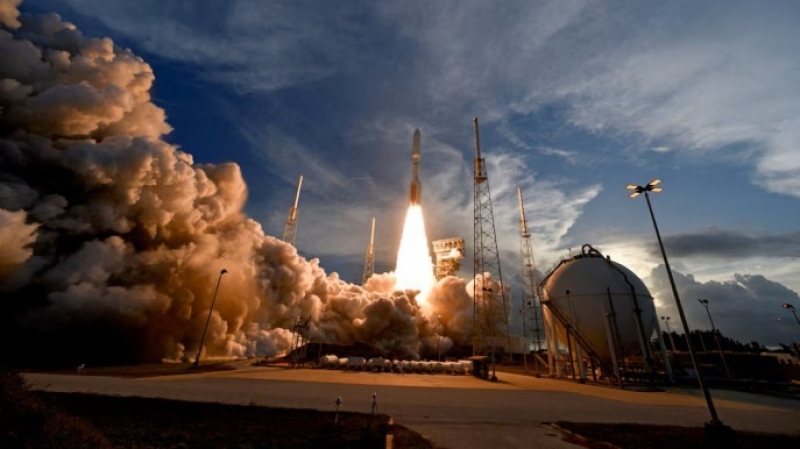
SpaceX is increasingly positioning itself as an artificial intelligence-driven company, but its aggressive investment strategy is rapidly consuming the profits generated by its satellite internet business, Starlink.
While Elon Musk continues to promote ambitions of reaching Mars, company disclosures tied to a potential initial public offering suggest that AI development is becoming central to its future business model. Unlike major tech firms with strong cash flows, SpaceX is funding its AI expansion largely through earnings from rockets and satellite services, resulting in heavy cash burn.
Starlink remains a strong revenue engine, with operating income doubling to $4.42 billion last year. This has helped offset losses in the company’s space division, which is investing heavily in next-generation rocket systems. However, the scale of spending on AI is reshaping the company’s financial profile.
In 2025, SpaceX’s AI unit, which includes its xAI operations, accounted for 61 percent of total capital expenditure, reaching $20.74 billion. Rising costs pushed the division to an operating loss of $6.4 billion. With plans to build space-based data centres, analysts expect spending to remain high.
Market observers note that while SpaceX’s investment levels are substantial, they remain far below those of major technology firms such as Alphabet Inc., Microsoft, Meta Platforms, Amazon, and Oracle Corporation, which are collectively expected to spend over $600 billion on AI this year. These companies benefit from diversified revenue streams, giving them greater flexibility to sustain long-term investment.
SpaceX is reportedly targeting a valuation of $1.75 trillion and aims to raise around $75 billion through its IPO. However, analysts warn that if capital spending continues to outpace revenue growth, the company may need to seek additional funding in the coming years.
The gap between spending and revenue could widen further as SpaceX pursues plans to deploy a vast network of data-centre satellites, a project expected to cost trillions of dollars. This raises questions about how quickly AI investments can translate into sustainable returns.
Additional uncertainty surrounds a potential deal with AI startup Cursor. SpaceX has the option to acquire the company for about $60 billion or opt for a smaller collaboration agreement worth roughly $10 billion. The decision, likely to come after the IPO, could significantly impact the company’s financial outlook.
Analysts say the company’s current financial structure still reflects its roots in aerospace rather than a mature AI infrastructure business. While the long-term vision remains ambitious, investors are likely to look for clearer evidence that AI investments can deliver returns at scale.