

- Mbappe fires France into World Cup last 16, Norway advance |
- JS passes Tk 9.38 lakh crore budget for FY27 |
- Court ruling blocks Aslam Chowdhury’s MP oath |
- Prioritise natural resources regeneration in budget to make dev holistic |
- Finance Bill passed, tax-free threshold set at Tk 4 lakh |
Higher vitamin C tied to healthier ageing brains
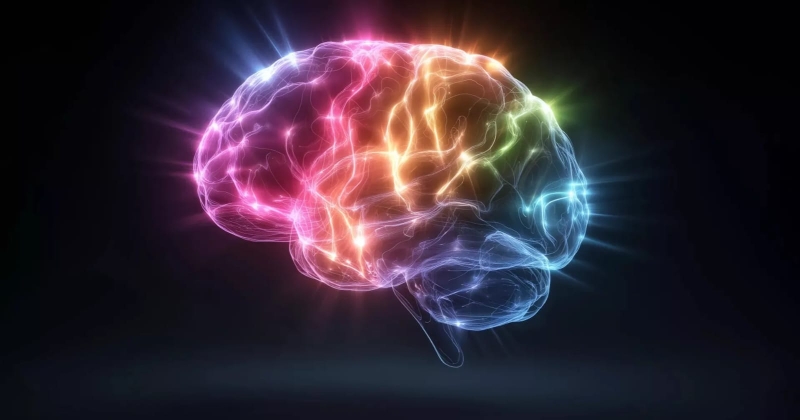
A new study involving more than 2,000 older adults in Japan suggests that higher vitamin C levels in the blood are associated with healthier brain structure and stronger connections between regions linked to memory and attention.
The findings add to growing evidence that a healthy diet may play an important role in maintaining brain health as people age. However, researchers cautioned that the study does not prove vitamin C directly protects the brain.
The research, led by Haruka Nagaya of Hirosaki University, was published on June 10 in the journal PLOS One.
Researchers analysed brain MRI scans and blood samples from 2,044 Japanese adults aged 64 and older to examine whether vitamin C levels were linked to structural and functional brain changes.
The MRI scans assessed both gray matter and white matter volume, while also measuring the strength of the brain’s default mode network — a system closely linked to memory, attention and cognitive function.
After accounting for factors such as age, education and physical activity, researchers found that participants with lower vitamin C levels generally had less gray matter and weaker connections within the default mode network.
Gray matter contains most of the brain’s nerve cells and plays a crucial role in processing information. The default mode network, meanwhile, is essential for memory, focus and self-awareness.
The researchers said the findings suggest maintaining healthy vitamin C levels may support brain function and healthy ageing. Still, they stressed that the study only shows an association and cannot confirm a direct cause-and-effect relationship.
Further research is needed to better understand the biological link between vitamin C and brain health. Future studies should monitor vitamin C levels over longer periods, include more detailed lifestyle and dietary information, and involve participants from more diverse backgrounds.
Co-author Tomohiro Shintaku said people with higher vitamin C levels showed better-preserved brain connections in the default mode network, raising the possibility that a vitamin C-rich diet could help reduce age-related cognitive decline.
He added that the large community-based study highlights how everyday dietary habits may significantly influence brain health as people grow older.
The study was supported by the Japan Agency for Medical Research and Development. KAGOME Co., Ltd. provided salary support for two authors but had no role in the study’s design, data analysis, publication decision or manuscript preparation.