

- BNP fast-tracks cabinet plans after resounding victory |
- Modi Calls Tarique, Pledges India’s Support |
- Bangladesh Set for First Male PM in 35 Years |
- Presence of women voters is noticeable at polling stations in Kalapara |
- Tarique Rahman wins both Dhaka-17, Bogura-6 seats |
BNP Secures Two-Thirds Majority in 13th Polls
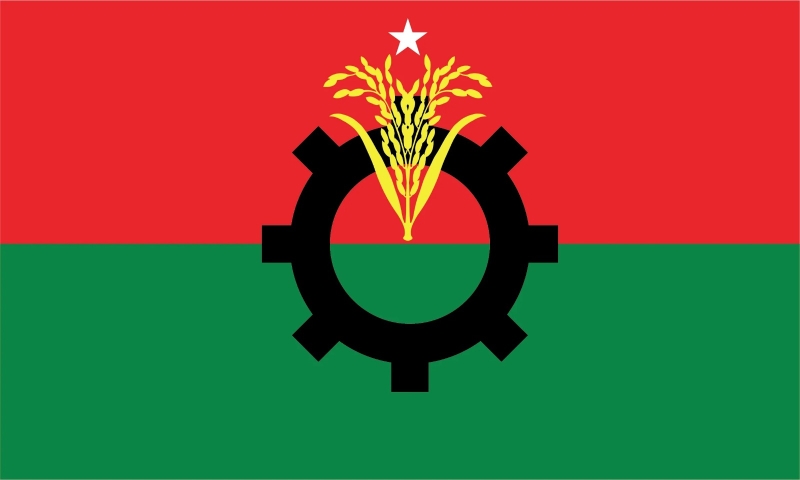
The Bangladesh Nationalist Party secured a commanding two-thirds majority in the 13th general election, clearing the way for the BNP-led alliance to form the next government.
With the sweeping mandate, BNP Chairman Tarique Rahman is set to become Prime Minister for the first time.
The Election Commission announced unofficial results for 297 of the 299 constituencies where voting was held, describing the polls as free and fair. Results in Chattogram-2 and Chattogram-4 were withheld, while voting in Sherpur-3 was postponed following the death of a candidate from Bangladesh Jamaat-e-Islami.
According to the unofficial tally, BNP won 209 seats on its own. Its allies, Gano Odhikar Parishad, Bangladesh Jatiya Party and Gano Sanghati Andolon, secured one seat each.
Jamaat-e-Islami emerged as the main opposition with 68 seats. Its partners, National Citizen Party won six seats, while Bangladesh Khilafat Majlis and Khelafat Majlish secured two and one seats respectively. Islami Andolon Bangladesh won one seat, and independent candidates claimed seven constituencies.
Following the results, the governments of United States, China, India and Pakistan congratulated Tarique Rahman on the party’s decisive victory.
The Election Commission said voter turnout stood at 59.44 percent in the parliamentary election, while turnout in the referendum reached 60.26 percent. In the referendum, 48,074,429 voters cast ballots in favour, compared with 22,565,627 against.
Foreign observers and independent monitoring groups described the polls as peaceful and broadly in line with international standards.
Voting began at 7:30am across 42,779 polling centres in 299 constituencies. A total of 127,711,793 voters were registered, including 64,825,361 men, 62,885,200 women and 1,232 third-gender voters.
Fifty political parties took part in the election, fielding 2,028 candidates, including 273 independents. BNP nominated 291 candidates, the highest among all parties. A total of 83 women contested the polls.
Around 800,000 officials were engaged in election duties, in addition to security personnel. They included returning officers, assistant returning officers, presiding officers, assistant presiding officers and polling officers. Nearly 15,000 officials handled postal voting.
Security arrangements involved members of the armed forces, Border Guard Bangladesh, Coast Guard, police, RAB and Ansar.
A total of 55,454 observers from 81 local organisations monitored the election, alongside 394 international observers. Nearly 200 foreign journalists were present to cover the polls and the referendum.