

- Days ahead will be very challenging for journalists' - ABM Mosharraf |
- Foreign Loan Disbursement Drops 30% Amid Rising Debt Burden |
- Capital markets surge at DSE with year’s highest turnover |
- Weapons and drugs seized in Chattogram army operation, 2 arrested |
- Tarique says people won’t allow ‘vote robbery’ on Feb 12 |
Martyred Intellectuals Day: A Nation’s Loss and Resolve
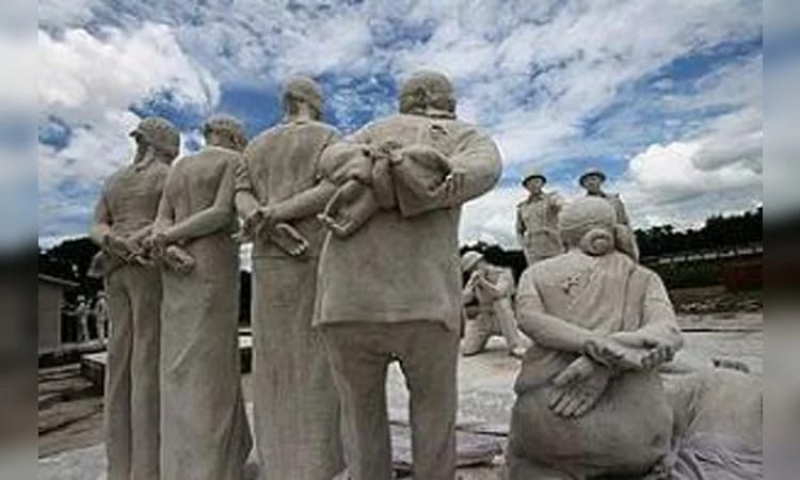
File photo
Martyred Intellectuals Day will be observed tomorrow with due dignity, as the nation remembers the brutal killing of some of its finest minds during the final days of the 1971 Liberation War.
On December 14, just two days before Bangladesh achieved independence, the then Pakistan army and its local collaborators carried out a planned massacre of leading Bengali intellectuals. Teachers, writers, journalists, doctors, researchers, and cultural activists were abducted and killed in an attempt to leave the newly born nation intellectually crippled and directionless.
Although intellectuals were targeted throughout the nine-month Liberation War, December 14 marked the most systematic and horrific phase of the killings. Groups such as Al-Badr, Al-Shams, and Razakars played a key role in identifying and eliminating prominent thinkers, sensing the imminent defeat of the occupying forces.
The nation observes this day every year with deep sorrow and profound respect, recalling a dark chapter intended to destroy the moral, cultural, and intellectual foundations of Bangladesh.
Speaking on the significance of the day, Development Studies Professor Mahbub Ullah of Dhaka University said December 14 revives one of the most painful memories in the nation’s history. The killing of intellectuals just before independence, he said, was a deliberate strategy to sabotage Bangladesh’s future.
He noted that progressive and conscious intellectuals were viewed as enemies by the Pakistani ruling elite from the very beginning of the war. Many were targeted on the night of March 25, including at Dhaka University, while the massacre of December 14 represented the final and most devastating stage of that campaign.
Professor Mahbub recalled the loss of eminent figures such as philosopher Govinda Chandra Dey and Professor Munir Chowdhury, emphasizing that intellectuals provide society with critical thought and moral direction. Without them, he said, a nation risks paralysis of mind and conscience.
He also referred to the recovery of mutilated bodies from killing fields such as Rayerbazar and Mirpur before December 16, noting that many victims could not be identified and others remain missing to this day. Despite the tragedy, he expressed hope that present and future generations of intellectuals will continue to guide the nation toward enlightenment.
Eminent educationist Professor Abul Kashem Fazlul Haque said the December 14 massacre transcended all political and social debates about the role of intellectuals. It was, he said, an unmistakable attempt to silence voices that dared to challenge power and speak the truth.
“Martyred Intellectuals Day is not only a day of remembrance,” he said, “but also a day of protest and reflection against injustice and oppression.”
Dhaka University’s Mass Communication and Journalism Professor Dr. Giti Ara Nasreen said the martyred intellectuals remain a living presence in the nation’s thoughts and values. She stressed that the true responsibility lies in carrying forward their ideals and courage in contemporary times.
She added that intellectuals must continue to question society, challenge injustice, and offer direction, noting that the memory of 1971 often resurfaces during moments of national crisis as a source of inspiration for freedom, justice, and collective resolve.