

- Support to coastal security, early completion of MRT lines, Airport Terminal III, business promotion assured |
- Tarique Seeks Japanese Support for Energy, Tech and Infrastructure |
- Japan eyes 1 trillion yen investment in Bangladesh over 5 years |
- Dhaka Among World’s 11 Most Polluted Cities on Tuesday |
- Tide Rising, Time Running Out For Coastal People, Wildlife |
Nature-Based Lifestyle For Health, Well-Being And The Planet
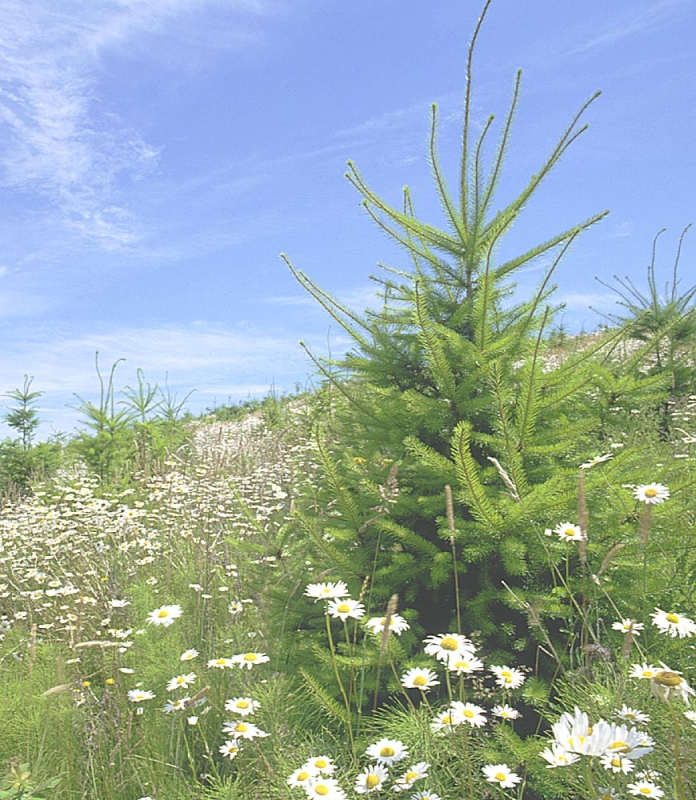
Conserve biodiversity for sustainmable life on Planet Earth.
Mostafa Kamal Majumder
In an age dominated by technology, fast food, synthetic medicines, and hectic lifestyles, a quiet revolution is taking place across the world. Increasingly, people are rediscovering nature and embracing a way of life that aligns more closely with the laws of nature. From food habits and healthcare choices to family life and daily routines, many individuals are turning away from artificial practices and seeking a healthier, more balanced existence. This shift reflects not merely a change in behaviour but a profound transformation in the philosophy of life itself.
For decades, industrialization and urbanisation shaped modern living. Convenience became the primary objective. Processed foods replaced fresh produce, long working hours disrupted natural sleep patterns, and chemical-based medicines became the first option for treating almost every ailment. While these developments brought comfort and medical advancements, they also contributed to growing concerns about lifestyle-related diseases, stress, obesity, and declining mental well-being.
As a result, many people are now reassessing their relationship with nature. One of the most visible manifestations of this trend is the increasing preference for natural and organic foods. Farmers' markets, organic stores, and home gardening have gained popularity in both developed and developing countries. Consumers are paying greater attention to what they eat, choosing fresh fruits, vegetables, whole grains, nuts, and naturally grown products over highly processed foods loaded with artificial preservatives and additives.
Health experts have long emphasised that diet is the foundation of good health. Traditional foods prepared from locally sourced ingredients often contain the nutrients needed to maintain a healthy body. People are realising that nature provides a rich diversity of foods capable of supporting physical well-being without excessive dependence on artificial supplements. The return to natural eating is not simply a dietary preference; it represents a conscious effort to reconnect with the rhythms and resources of the natural world.
Parallel to this movement is the growing interest in natural medicine. Across cultures and civilisations, medicinal plants and natural remedies have been used for thousands of years to prevent and treat diseases. Herbal therapies, naturopathy, acupuncture, and other forms of natural healing are experiencing renewed popularity. Many individuals are exploring alternative treatments to complement conventional healthcare, seeking remedies that work with the body's natural healing mechanisms.
This trend is partly influenced by concerns regarding the excessive use of chemical-based medicines and antibiotics. The widespread use of antibiotics over many decades has led to the emergence of antibiotic-resistant bacteria, posing significant challenges for modern healthcare systems. Although conventional medicines remain indispensable in combating serious illnesses and saving lives, there is increasing awareness that overreliance on drugs is not always the best solution.
Natural medicine is attracting attention because it often emphasizes prevention rather than cure. Practitioners encourage healthy eating, regular physical activity, stress management, adequate sleep, and the use of natural remedies when appropriate. The goal is not merely to eliminate symptoms but to strengthen the body's overall resilience and capacity for self-healing. Many people find this holistic approach appealing in a world where health challenges are becoming increasingly complex.
Another area where people are returning to natural principles is family life and marriage. Social and economic changes have encouraged many individuals to delay marriage and childbearing. Career ambitions, educational goals, and financial considerations often lead people to postpone family formation until later in life. While these choices are deeply personal and vary across societies, there is a growing discussion about the potential health and social benefits of earlier family life in certain circumstances.
Historically, human societies evolved around family structures that corresponded to biological and social realities. Advocates of a more nature-oriented lifestyle argue that establishing stable relationships and families at an appropriate age may contribute to emotional well-being, social support, and healthier life patterns. They believe that family life can provide purpose, security, and companionship, helping individuals navigate the challenges of modern existence.
The broader point is not simply about the timing of marriage but about living in harmony with natural human needs. Human beings are social creatures who thrive on meaningful relationships and community connections. In an increasingly individualistic world, many people are rediscovering the value of family bonds, interpersonal support, and shared responsibilities.
Perhaps the most significant aspect of this return to nature is the renewed appreciation of natural daily rhythms. The old saying, "Early to bed and early to rise makes a man healthy, wealthy, and wise," remains as relevant today as it was centuries ago. Scientific research increasingly supports the importance of aligning daily activities with the body's natural circadian rhythms
Modern lifestyles often disrupt these rhythms. Late-night screen use, irregular sleep schedules, and round-the-clock work patterns interfere with the body's internal clock. The consequences include fatigue, impaired concentration, weakened immunity, and increased risks of chronic diseases. Recognizing these dangers, many people are consciously adopting healthier routines by sleeping earlier, rising with the morning light, and spending more time outdoors.
The benefits of such practices extend far beyond physical health. Adequate sleep enhances cognitive function, emotional stability, and productivity. Morning exercise, exposure to natural sunlight, and time spent in green spaces can significantly improve mental well-being. By respecting the body's biological needs, individuals often experience greater energy, clarity, and resilience.
This nature-inspired lifestyle also encourages a slower and more mindful approach to everyday living. Rather than constantly rushing from one obligation to another, people are learning to appreciate simplicity. Activities such as walking in parks, gardening, preparing home-cooked meals, practicing meditation, and spending time with family foster a sense of balance and fulfilment. These habits may seem ordinary, yet they offer powerful antidotes to the pressures of modern life.
Importantly, the movement toward nature does not imply rejecting science, technology, or modern medicine. Rather, it seeks a more balanced relationship between human innovation and natural wisdom. The challenge is to integrate the benefits of contemporary progress with practices that support long-term health and sustainability. Modern healthcare, when combined with preventive natural approaches, can provide a more comprehensive framework for well-being.
Similarly, advances in agriculture and food production need not be abandoned, but they can be complemented by methods that preserve soil health, biodiversity, and nutritional quality. Technology can support, rather than replace, humanity's connection with nature.
The growing attraction toward natural living reflects a deeper yearning for authenticity in an increasingly artificial world. People are beginning to understand that health is not merely the absence of disease but a state of harmony involving body, mind, and environment. Food, sleep, relationships, exercise, and emotional balance are interconnected elements of the same holistic picture.
The renewed interest in natural foods, natural medicine, healthier family structures, and disciplined daily routines signals more than a passing trend. It represents a cultural shift toward a way of life that respects the fundamental principles on which human well-being rests. As individuals seek healthier and more meaningful lives, they are discovering that many of the answers lie not in complicated solutions but in the timeless wisdom of nature itself.
Beyond personal health, the return to nature may also hold important lessons for the future of the planet. A nature-based lifestyle encourages the consumption of seasonal produce, reduced food waste, fewer synthetic inputs in agriculture, and greater respect for ecosystems that sustain life. Such practices help lower greenhouse gas emissions, protect biodiversity, conserve soil and water resources, and strengthen communities' resilience to climate change. When individuals choose to live in harmony with nature, they not only improve their own physical and mental health but also participate in the larger task of restoring ecological balance.
In returning to nature, humanity is not moving backward. Rather, it is moving toward a future that combines the best of scientific progress with enduring natural principles. It is a change in lifestyle, a change in priorities, and ultimately a change in philosophy. By embracing nature's guidance in food, health, relationships, daily habits, and environmental stewardship, people are finding new pathways to healthier, happier, and more balanced lives. In doing so, they are not only improving their own well-being but also contributing to the fight against climate change and helping to preserve the Earth for generations to come.
(From the GreenWatch print edition)