

- Dhaka-Seoul Ties Set for Strategic Partnership Push: Envoy |
- BSEC vows investor protection as top priority in IPO reform drive |
- Facebook post triggers tension in Shahbagh JCD-DUCSU brawl |
- Grameen Kalyan plans 300 healthcare centres in 64 districts |
- Italy dismisses replacing Iran at the World Cup, as Trump official says |
US pushes UN staff cuts, budget trims, and AI adoption
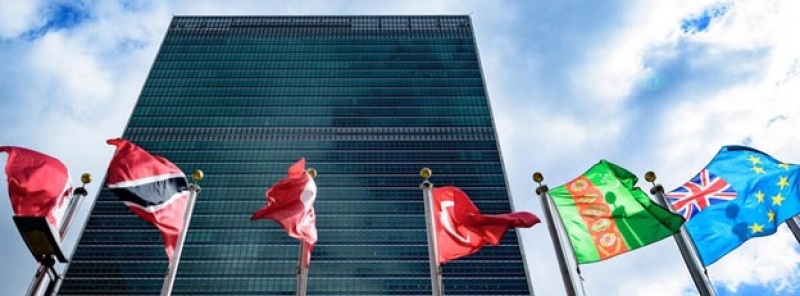
Credit: UN Photo
The United States has outlined a vision for a restructured United Nations, proposing major staff reductions, budget cuts, elimination of duplicated mandates, scaled-back peacekeeping operations, and the use of artificial intelligence (AI) for translations in six official languages.
As the largest contributor to the UN budget, despite nearly $4 billion in unpaid dues, the US is leveraging its financial influence to drive reforms. Officials describe the plan as “Make UN Great Again” (MUNGA), echoing President Trump’s “Make America Great Again” slogan.
Ambassador Mike Waltz, US Representative to the UN, told a Congressional Field Hearing on UN reform that the UN’s budget has quadrupled over the past 25 years without a corresponding increase in global peace and security. “We are pressing the UN to streamline bureaucracy, eliminate duplication, and focus on its core mission of maintaining international peace and security,” he said.
Waltz highlighted reforms in UN compensation and staffing, noting that UN salaries exceed those of US civil servants by 17%, with generous benefits and pensions. AI and remote translation technology are being considered to reduce travel and conference costs, particularly for the six UN languages.
Experts have offered mixed reactions. Stephen Zunes, Professor of Politics at the University of San Francisco, warned that the US approach risks dismantling the UN system rather than promoting fiscal responsibility. Richard Gowan, Program Director at the International Crisis Group, described US policy as selective, focusing on some conflicts while withdrawing from others, and noted that message discipline has improved under Waltz.
The US has led several practical measures, including a 15% cut in the regular budget, reducing nearly 3,000 headquarters positions, a 25% reduction in peacekeeping troops, and streamlining missions in Yemen, Colombia, Haiti, and other regions. New rules for equipment reimbursement aim to reduce unnecessary expenses and inefficiency.
Waltz emphasized the importance of aligning reforms with political processes in peacekeeping missions and enhancing oversight to prevent waste, fraud, and abuse. He said these changes are a first step toward creating a leaner, more effective UN while maintaining dialogue with the Secretary-General and UN leadership.
“Reforms in compensation, pensions, peacekeeping, and waste reduction are underway,” Waltz concluded. “We are committed to making the UN live up to its potential and to making it great again.”