

- UNGA President Urges Four Steps for Rohingya Justice |
- Fugitives can’t be brought back from Delhi through violence: Kobir |
- ICJ asks Myanmar: cease violations, prosecute perpetrators, take back-compensate Rohingya |
- Dhaka Ranks 13th Among World's Most Polluted Cities on Friday |
- Petrol Bomb Allegedly Hurled at State Minister's Home |
Myanmar Calls ICJ Rohingya Genocide Ruling 'Unfair'
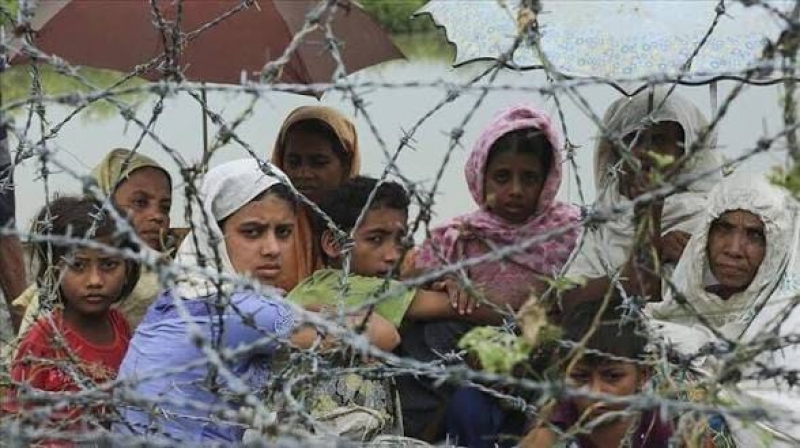
Myanmar's government on Friday rejected a landmark ruling by the United Nations' highest court holding the country responsible for genocide against its Rohingya minority, describing the decision as “unfair”.
Khine Khine Soe, spokeswoman for President Min Aung Hlaing, noted that the International Court of Justice (ICJ) delivered its judgment on Thursday by a 9-6 vote, finding Myanmar responsible for genocide against the Muslim minority during the 2017 military operations in Rakhine State.
“Not all 15 judges agreed with the decision,” she told reporters in the capital, Naypyitaw. “So it was not a decision made unanimously. I would say that it was unfair.”
Myanmar's government has consistently denied allegations of genocide, maintaining that its 2017 military operations in northern Rakhine State were aimed at combating insurgents.
Khine Khine Soe said Myanmar had made “every effort” to respond to questions raised during the court proceedings and had done its best to fulfil its obligations and address the issues in line with international standards.
Min Aung Hlaing, now the country's president, was the military's commander-in-chief during the 2017 operations.
The ICJ said evidence supported an estimate that at least 10,000 Rohingya were killed during the clearance operations, while hundreds of thousands were forced to flee their homes.
The court ordered Myanmar to take steps to investigate and prosecute people reasonably suspected of involvement in genocide, ensure safe, voluntary and dignified return of displaced Rohingyas, provide reparations and take measures to prevent similar atrocities in the future.
Khine Khine Soe did not directly address the court's orders, saying the judgment and the individual opinions of the judges ran to more than 300 pages and required careful examination.
“Since these are legal documents, we will need to take our time and study them carefully,” she said.