

- 100 CSOs rally against Trump’s trade tactics, urge access to drugs |
- BNP believes in multiparty democracy, not revenge: Moyeen Khan |
- Bangladesh reaffirms commitment to revitalise SAARC process |
- Bangla Academy assures inclusive Ekushey Book Fair From Feb 26 |
- 2 former National University VCs face travel ban |
Ultra-Processed Foods May Disrupt Gut Health, Studies Show
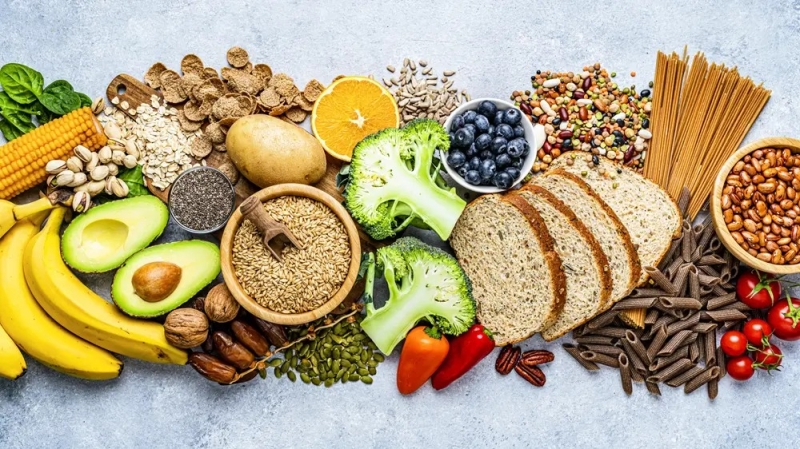
Representational Image
Recent research warns that ultra-processed foods, commonly eaten for convenience, may harm gut health by reducing microbial diversity.
Additives such as emulsifiers, artificial sweeteners, and colorings can negatively affect the gut microbiome, a complex community of trillions of microorganisms essential for digestion, immunity, metabolism, and mental well-being.
A diverse microbiome supports better gut function, lower inflammation, and overall health, while reduced diversity has been linked to digestive disorders, sleep problems, and chronic illnesses.
Studies show that emulsifiers, used to improve texture and shelf life in foods like bread, cakes, and ice cream, can allow gut bacteria to penetrate intestinal mucus, triggering inflammation. Research in both humans and mice has connected these additives to inflammatory bowel disease, type 2 diabetes, and certain cancers.
Clinical trials also indicate that people with Crohn’s disease experienced fewer symptoms when following a diet low in emulsifiers, highlighting the impact of food additives on gut health.
Nutritionists recommend limiting ultra-processed foods and choosing fresh, minimally processed ingredients. “Moderation is key. Cooking from scratch and including fibre-rich foods can help protect gut health,” experts advise.