

- Lab Tests Find 67% Adulteration in Branded Milk Powder |
- DNCC Sets New House Rent Rules, Eases Burden for Tenants |
- RAB Officer Killed, Three Injured in Sitakunda Attack |
- Bangladesh Plans Padma Barrage, First Phase at Tk34,608cr |
- US Expands Trump’s Gaza Peace Board, Invites More States |
Lab Tests Find 67% Adulteration in Branded Milk Powder
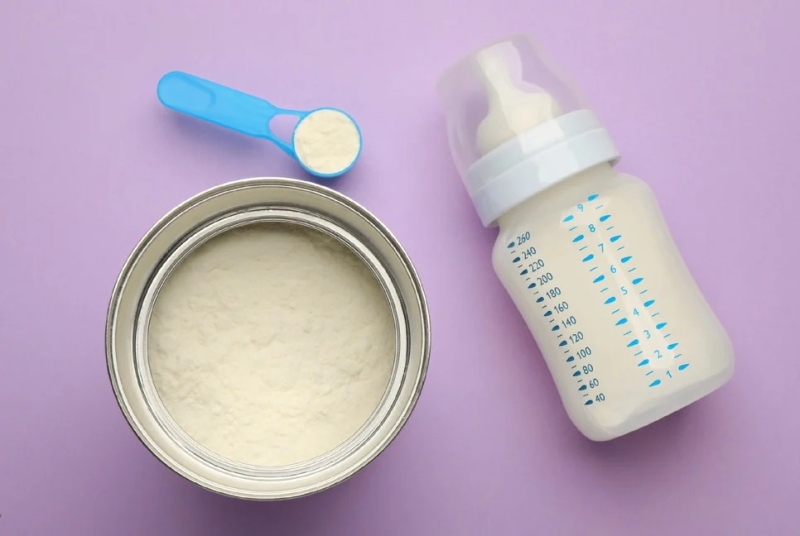
Despite growing awareness among parents about food safety, alarming levels of adulteration have been found in powdered milk sold under the labels of reputed brands. Recent laboratory tests show that many popular products contain very little actual dairy content, with harmful adulterants making up a large share.
Parents who trusted branded products expressed concern after the findings. Zahid Hasan, a grocery shop owner in Shantinagar, said he regularly bought expensive branded milk powder for his three-year-old daughter, believing it to be safe. Paribagh resident Salma Chowdhury shared similar worries, saying she now realises well-known brands do not always guarantee safety.
Investigations revealed that some manufacturers use cheap whey powder and market the products in attractive packaging. Tests conducted by food inspectors found that Goalini Daily Full Cream Milk Powder contained only 17.08% dairy ingredients, while 67.44% consisted of adulterated substances. Milk fat content stood at just 7.58%, far below the required 42%, with protein levels also well under standard limits.
Following confirmation of the violations, the Pure Food Court ordered the product withdrawn from the market and imposed a fine of Tk 300,000. The company’s chairman later appeared in court, admitted the offence, and pledged to remove the adulterated products from circulation.
Officials said the problem extends beyond a single brand. Several other products, including those marketed by Aslam Tea Company, Dano, Danish, and Nestlé Instant Full Cream, also failed laboratory tests, prompting cases against their importers.
Authorities further alleged that counterfeit BSTI logos and fake QR codes are being used on packaging to mislead consumers. BSTI officials warned that many substandard products falsely claim certification.
Public health expert Dr Md Akhtar Imam cautioned that adulterated milk powder can cause long-term kidney damage and impair children’s physical and brain development. The Bangladesh Food Safety Authority said inspections and testing are ongoing, but experts stressed that stricter enforcement is urgently needed to protect public health, especially that of children.