

- Bangladesh Has Only 189 Tigers, Warns State Minister |
- Study Finds Microplastics In Soybean Oil Sold In Dhaka |
- Study Finds Microplastics in 95% of Sugar Samples in Bangladesh |
- Japan Earthquake Kills 13, Search For Survivors Continues |
- Dhaka ranks 5th among world's most polluted cities |
WHO Warns Funding Cuts Threaten HIV Progress
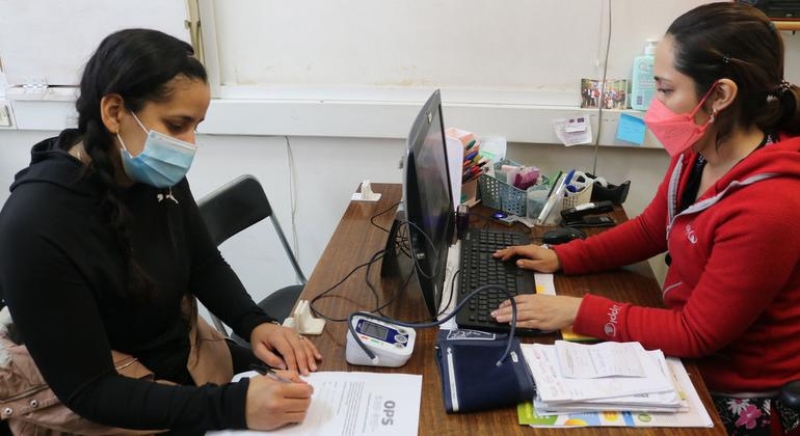
A woman in Chile is screened for Hepatitis C.
Years of progress in tackling HIV, viral hepatitis and sexually transmitted infections (STIs) are at risk of stalling, leaving millions of people without access to life-saving prevention, testing and treatment, the World Health Organization (WHO) has warned.
A new analysis found that although countries have made significant advances over the past decade, funding shortfalls, humanitarian crises and persistent inequalities are widening gaps in care for those most at risk.
“This report tells two stories,” said WHO Director-General Tedros Adhanom Ghebreyesus.
“It demonstrates what is possible when countries invest in health, communities and science. But it also shows how quickly progress can be undone by funding disruptions, humanitarian emergencies and persistent inequalities.”
Millions left behind
By the end of 2025, an estimated 32 million people living with HIV were receiving treatment worldwide.
Since 2010, new HIV infections have fallen by 42 per cent, while AIDS-related deaths have declined by 57 per cent.
Yet around nine million people still lack access to life-saving HIV medicines, and infections continue to rise in several regions, particularly among populations facing stigma and discrimination, including sex workers, people who inject drugs, transgender people and people in prisons.
The picture is similarly mixed for viral hepatitis.
Annual hepatitis B infections have declined by nearly one-third since 2015, while deaths linked to hepatitis C have also fallen.
Despite these gains, viral hepatitis remains one of the world's deadliest infectious diseases, claiming an estimated 1.3 million lives in 2024.
Meanwhile, progress against sexually transmitted infections has slowed.
Although more pregnant women are being screened for syphilis and HPV vaccination coverage has improved modestly, infection rates continue to rise in many countries. At the same time, resistance to antibiotics used to treat gonorrhoea is increasing.
Funding pressures
WHO warned that reductions in international donor funding disrupted HIV prevention programmes in several countries during 2025, affecting access to pre-exposure prophylaxis (PrEP), a medicine that significantly reduces the risk of acquiring HIV.
Although some governments have stepped in to maintain services, early data suggest that PrEP use has already declined in several countries and communities.
The agency also highlighted continuing barriers to diagnosing and treating hepatitis B, despite the availability of highly effective medicines capable of preventing millions of deaths.
Integrated health systems
WHO said integrating HIV, hepatitis and STI services into primary healthcare systems is one of the fastest ways to expand access while building more resilient health systems.
The report also highlights innovations such as long-acting HIV prevention medicines, improved diagnostic tools and stronger digital health systems as key opportunities to accelerate progress.
Among the most promising advances is the WHO-recommended, twice-yearly injectable lenacapavir, which is now being introduced in 10 countries, with rollout planned in a further 14.
Speaking to UN News last month, Mandeep Dhaliwal, Director of the Prosperity and Well-being Hub at the UN Development Programme (UNDP), described the medicine as a potential game changer.
“Lenacapavir is a highly effective HIV prevention tool. Administered as an injection just twice a year, it has the potential to transform the HIV response by preventing new infections, particularly among populations at greatest risk,” she said.
WHO also stressed the importance of strengthening community leadership to ensure that people most affected by HIV, hepatitis and STIs help shape health programmes and monitor whether services are reaching those who need them most.
“Over the next five years, we must build integrated, resilient health systems that reach those furthest behind,” Tedros said.
Tuesday marks World Hepatitis Day, observed on the birthday of the Nobel Prize-winning scientist who discovered the hepatitis B virus.