

- Minister pulled up over reply on cyber abuse against women |
- DNCC to work with RAJUK, WASA to prevent flooding, lake erosion |
- 'Lion fish' caught in fishing nets in Bay of Bengal |
- PM backs Army modernisation, expects higher global standing |
- Rare ‘Lynd Surgeonfish’ caught in fishing nets in Bay of Bengal |
Cancer Cases May Climb to 35 Million by 2050: WHO
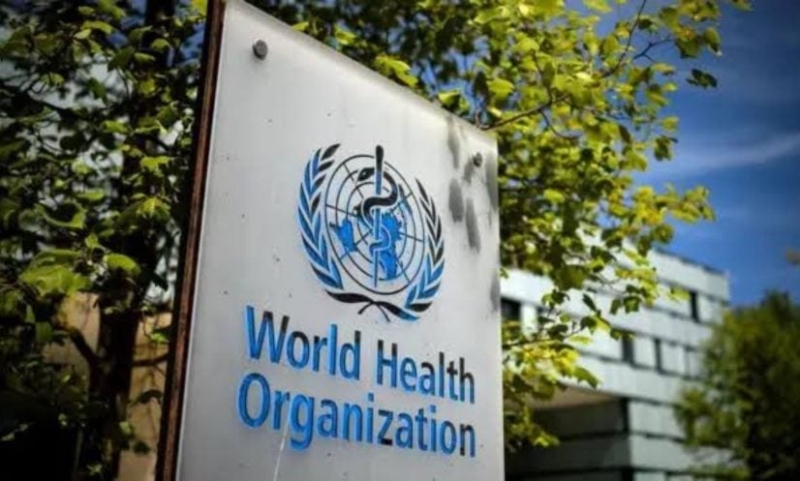
The number of new cancer cases worldwide could rise to nearly 35 million annually by 2050 unless urgent measures are taken to strengthen prevention, early detection and treatment, the World Health Organization (WHO) has warned in its Global Cancer Report 2026.
Cancer remains the world's second-leading cause of death after cardiovascular disease, claiming more than 26,000 lives every day. The disease currently accounts for an estimated 20.6 million new cases and nearly 10 million deaths each year, highlighting its growing impact on global health.
The report points to stark inequalities in cancer survival between high- and low-income countries. In wealthier nations, 87 percent of women diagnosed with breast cancer survive for at least five years after diagnosis, compared with just 42 percent in low-income countries.
WHO also noted that fewer than one-third of countries have integrated comprehensive cancer care into their universal health coverage systems, leaving millions without access to essential diagnostic and treatment services.
"Cancer is a deeply personal disease that touches nearly all of us. But whether a person survives cancer should never depend on where they were born or what they earn," said WHO Director-General Dr Tedros Adhanom Ghebreyesus.
He stressed that stronger international cooperation, equitable access to healthcare and sustained investment in cancer prevention and treatment are essential to narrowing the widening survival gap.
According to the report, around 40 percent of all cancer cases are linked to preventable risk factors, including tobacco use, harmful alcohol consumption, obesity, physical inactivity and certain infections.
While global efforts to reduce tobacco use and expand vaccination programmes have shown encouraging progress, WHO warned that access to essential cancer medicines, diagnostic services and modern treatment remains severely limited in many low- and middle-income countries.
The report called for greater investment in prevention, screening, early diagnosis and affordable treatment to curb the growing global cancer burden and reduce preventable deaths in the decades ahead.