

- Dhaka Ranks 7th Among World’s Most Polluted Cities on Wednesday |
- 4 killed in bus- auto-rickshaw collision at Mirpur |
- PM Pushes Plans for Second Padma, Jamuna Bridges, Barrage |
- Tap grants, local finance; shun loans for energy sovereignty |
- Govt eyes 3,000-4,000MW solar power addition to grid before next summer: PM |
Hilsa Spreads to Northern Rivers, but Catch Remains Low
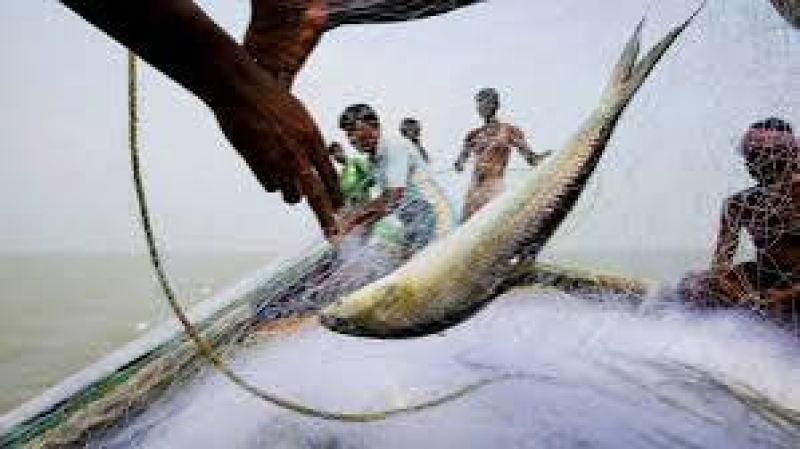
Hilsa, traditionally associated with the southern rivers of Bangladesh, is increasingly being caught in northern waterways, raising hopes of new opportunities for fishermen in the region. However, poor river navigability, a shortage of fishing boats and high operating costs continue to limit catches.
The Teesta, Dharla, Brahmaputra and Jamuna rivers are occasionally yielding the prized fish, with fishermen reporting catches in several areas of Rangpur division.
According to the Department of Fisheries, around 58 tonnes of hilsa have been caught this season in 11 upazilas across Lalmonirhat, Kurigram and Gaibandha districts. The figure was 39 tonnes in the previous season and 32 tonnes in 2024, indicating a gradual rise in the region's catch.
Hilsa has been found in six upazilas of Kurigram, four in Gaibandha and one in Lalmonirhat, particularly along stretches of the Brahmaputra and Teesta rivers. However, the catch remains considerably lower than in the country's traditional hilsa-producing areas.
Following the nationwide 22-day fishing ban from October 8 to 29 to protect mother hilsa during the peak breeding season, fishermen have returned to the rivers. Many, however, are struggling to resume fishing because of a shortage of boats and high operating costs.
Kurigram District Fisheries Officer Jahirul Islam Akand said hilsa is occasionally found in the Teesta, Dharla, Brahmaputra and Jamuna rivers, but poor navigability has become a major obstacle to fishing.
Fishermen also lack adequate technical assistance and equipment to make the most of the opportunity, he said, adding that the issue had been brought to the attention of the ministry.
Nayan Chandra, a fish farmer from Majhipara in Ulipur, said hilsa catches in the Brahmaputra had been relatively low this season. He said he sold hilsa weighing around one kilogram at Tk 1,200–1,300 per kilogram in the wholesale market.
Government assistance during the fishing ban provided some relief, with eligible fishermen receiving 25kg of rice each, he added.
Kanchan Kumar, a fisherman from Kurigram, said the number of fishing boats had declined, making it increasingly difficult for fishermen to venture onto the river.
“Fishermen now have to spend at least Tk 2,000 to go fishing, apart from boat rental costs. The amount of fish they catch often does not cover the expenses, making fishing unprofitable,” he said.
Smaller hilsa weighing less than half a kilogram are selling for Tk 500–600 per kilogram, while larger fish fetch Tk 1,200–1,400, he added.
Hilsa usually remains available in the Brahmaputra until Kali Puja, after which catches become extremely rare, Kanchan said.
Abdul Gani, a fisherman living along the Teesta in Hatibandha upazila of Lalmonirhat, said they had caught only around 15kg of hilsa from the river this year. He blamed the shortage of fishing boats and poor navigability for the limited catch.
Sahadat Hossain, a senior fisheries officer in Nageshwari upazila of Kurigram, said hilsa catches in his area were lower than in neighbouring Rajibpur and Roumari.
Why Hilsa Is Scarce in Some Northern Rivers
Fisheries experts say the availability of hilsa in northern rivers depends largely on their connection with the Bay of Bengal and seasonal water flows.
Hilsa is an anadromous fish, meaning it lives mainly in the sea but migrates into freshwater rivers to reproduce. The Padma-Meghna river system and its tributaries have traditionally been the country's major hilsa habitats.
However, hilsa is not confined to southern Bangladesh. The fish has been recorded in around 100 rivers across the country, although its distribution and abundance vary considerably between river systems.
Hilsa is particularly abundant in the Padma and Meghna basins, their tributaries, coastal rivers and estuaries. The fish generally takes eight months to a year to mature after hatching.
Retired fisheries survey officer Zubayer Ali said hilsa migrates from the sea into rivers that maintain a connection with marine waters.
During the monsoon, the Brahmaputra's stronger flow can create conditions that allow hilsa to move upstream into the northern region.
The Teesta was also once a strong-flowing river where hilsa migrated from the sea to spawn. However, the fish is now rarely found there, he said.
Restoring the rivers' navigability and natural flow is essential to increasing hilsa populations in the region, he added.
Fisheries officials also point to siltation and the formation of shoals, which obstruct fish migration routes and reduce suitable habitats.
Department of Fisheries data cited in the report showed that national hilsa production declined to 512,000 tonnes in fiscal year 2024–25, from 529,000 tonnes in 2023–24 and 571,000 tonnes in 2022–23.
Additional Director of the Rangpur divisional fisheries office Manzurul Islam said hilsa was being caught in 11 upazilas across Lalmonirhat, Kurigram and Gaibandha.
Around 1,600 fishermen in the three districts received government assistance during the recent fishing ban, with each receiving 25kg of rice, he said.
Restoring river navigability could unlock significant potential for hilsa and other fish species in the region, Manzurul added. The government is planning to dredge the Teesta and Brahmaputra to address navigability problems, he said.
Fishermen and fisheries officials believe that improved river flow, better fishing facilities and technical assistance could help make northern rivers more productive fishing grounds.