

- Israeli Assault Has Plunged Gaza Into Worst Economic Collapse |
- Woman sent to jail on charges of killing 8 puppies in Pabna |
- UN Assembly Urges Decisive Action to Resolve Israel-Palestine Conflict |
- Sediment-borne fertility transforms northern Bangladesh |
- 3 Armed Forces Chiefs, Jamaat Ameer visit Khaleda Zia at Hospital |
Arab Region Hit Hard as 2024 Heat Extremes Break Records
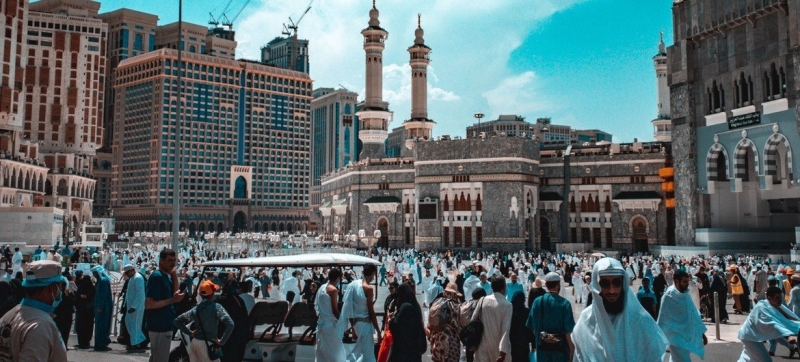
People across the Arab region including in the city of Makkah, Saudi Arabia, face increasing pressure from climate extremes.
The Arab region is heating at nearly twice the global average, UN weather experts warned on Thursday, after 2024 saw unprecedented heat, destructive storms and worsening water scarcity impact some of the world’s most vulnerable communities.
The World Meteorological Organization’s (WMO) first State of the Climate in the Arab Region report paints a stark picture of a region under constant pressure from rising temperatures and increasingly extreme weather.
The UN agency noted that “a number of countries [in the Arab region] reported temperatures above 50°C (122°F) last year, while average regional temperatures for 2024 were 1.08°C higher than from 1991 to 2020.”
Highlighting the significance of these findings, WMO Secretary-General Celeste Saulo said that scorching temperatures marked by intense, longer-lasting heatwaves “are pushing society to the limits… it is simply too hot to handle.”
"Human health, ecosystems and economies can’t cope with extended spells of more than 50°C,” she added. “Droughts are becoming more frequent and severe in one of the world’s most water-stressed regions. And at the same time, we have seen disruptive and dangerous deluges.”
Hostile Climate
The UN report indicates an 83 per cent rise in recorded disasters in Arab nations between 1980–1999 and 2000–2019.
In addition to record-breaking heat, the region — which encompasses 15 of the world’s most water-scarce countries — has endured dust storms, prolonged drought and destructive floods.
Drought worsened in 2024 in western North Africa after six consecutive failed rainy seasons, especially in Morocco, Algeria and Tunisia, WMO said. Meanwhile, in otherwise arid countries including Saudi Arabia, Bahrain and the United Arab Emirates, extreme rainfall and flash floods caused death and destruction.
These weather shocks have deepened pressure on communities already grappling with conflict, rapid population growth, urbanisation and economic fragility. WMO warned that without stronger adaptation measures, these pressures will only intensify as temperatures continue their rapid upward trajectory.
Key Points
• 2024 was the Arab region’s hottest year on record
• Temperatures rising nearly twice the global average
• Heat, drought and extreme rain all intensified last year
• Nearly 60 per cent of Arab countries now have early warning systems
• WMO urges greater coordination on climate action
These rising extremes are already reshaping daily life across the Arab region, where water shortages are worsening as higher temperatures accelerate evaporation and strain groundwater reserves.
Daily Life Imperilled
Urban centres face growing threats to energy supply, transport networks and public health, particularly for people working outdoors or living in informal housing. In rural areas, prolonged drought is eroding food production and forcing difficult trade-offs between agriculture, domestic water use and environmental protection.
Claire Ransom, Associate Scientific Officer at WMO’s Climate Monitoring & Policy Section, stressed that extreme heat is only one of many threats. “Dust storms, severe flooding and other climate extremes placed immense pressure on communities all across the region in 2024, disrupting lives and impacting millions of people,” she said.
These events have inflicted major economic losses, displacing families, damaging crops and overwhelming emergency response systems, which remain uneven across the region.
Coordinated Action
Despite these challenges, the WMO assessment highlights areas of progress. Many countries have expanded preparedness systems and begun strategic investments in adaptation.
“There is progress; nearly 60 per cent of Arab countries now have multi-hazard early warning systems in place, and many are prioritising water-security strategies to cope with the mounting climate risks we’ve seen in 2024 and beyond,” Ms Ransom said.
While adaptation efforts are expanding, the report concludes that only swift, sustained and collaborative action will be enough to prevent the harsh climate of 2024 from becoming the new normal.
Pressure for coordinated solutions is rising as temperatures climb. The combination of extreme heat, water scarcity and rapidly growing populations is amplifying existing vulnerabilities and threatening development goals across multiple countries. Many governments already struggle to maintain essential services during heatwaves, while poorer communities face the greatest risks.
“The key message from the report is clear. The Arab region stands on the front lines of climate change, and timely information and coordinated action are no longer optional — they are absolutely essential,” Ms Ransom said.
The report was produced by the UN agency in partnership with the Economic and Social Commission for Western Asia and the League of Arab States. It is the first climate assessment dedicated entirely to the Arab region and aims to provide actionable, science-based information to support decision-makers in the water-scarce region.