

- Monira Sharmin’s MP candidacy cancelled, 49 other women valid |
- No scope for money launderers to return to bank boards: BB |
- Six closed jute mills to reopen under pvt management in 6 months |
- Uncertainty over possible US-Iran talks as Trump extends ceasefire |
- Bangladesh eyes broader bilateral engagements with African nations |
Oil Prices Rise as Hormuz Crisis Fuels Supply Fears
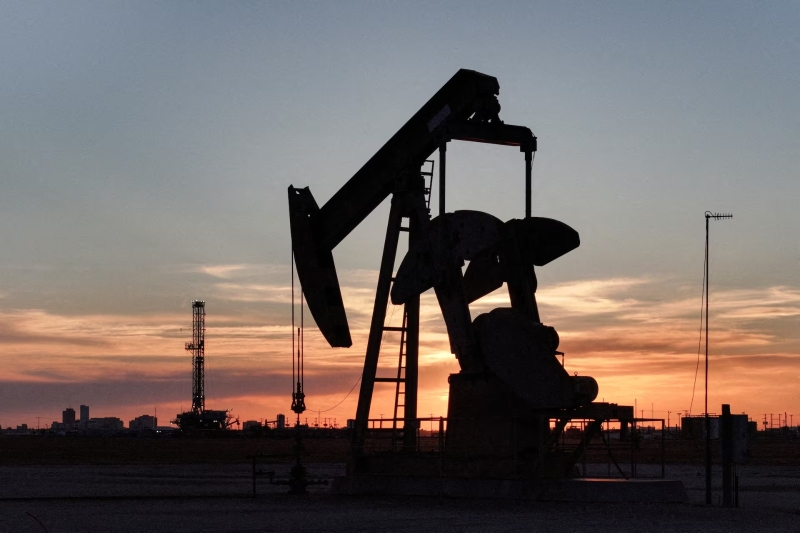
Oil prices climbed further on Tuesday as tensions in the Middle East deepened, with the Strait of Hormuz still shut and fears mounting over prolonged disruption to global energy supplies.
Brent crude rose $1.74, or 1.6%, to $111.51 a barrel by 0530 GMT, while US West Texas Intermediate (WTI) crude gained $3.45, or 3.1%, to reach $115.86.
The latest gains came as a deadline set by US President Donald Trump approached, demanding that Iran reopen the Strait of Hormuz or face further attacks. Trump has also threatened strikes on Iranian bridges and power plants if Tehran fails to comply.
The Strait of Hormuz is a critical global energy route through which around one-fifth of the world’s oil supply is usually transported. Its continued closure has intensified concerns over supply shortages and pushed markets higher.
Iran has rejected a ceasefire proposal conveyed through Pakistan, insisting that any agreement must lead to a permanent end to the war. The refusal has further dimmed hopes for an immediate diplomatic breakthrough.
Market analysts said the risk to oil supply is no longer speculative, as attacks on energy and shipping assets continue across the region.
They noted that even if the conflict ends soon, damage to key infrastructure could keep supplies constrained for months.
The market is also reacting sharply to the political uncertainty surrounding the deadline, with traders closely watching developments in both diplomacy and military activity.
Regional tensions remained high on Tuesday, with reports of missile interceptions over Syria and Saudi Arabia saying it had intercepted seven ballistic missiles aimed at its Eastern Region, where major energy facilities are located.
The conflict has already disrupted exports from several Gulf producers, while refiners in Asia and Europe are scrambling to secure alternative supplies.
Saudi Aramco has raised the official selling price of its Arab Light crude for Asian buyers in May, setting a record premium of $19.50 per barrel above the Oman/Dubai benchmark.
Adding to supply concerns, Russia said Ukrainian drones had attacked the Caspian Pipeline Consortium terminal on the Black Sea, damaging loading infrastructure and storage tanks. The terminal handles about 1.5% of global oil supply.
Meanwhile, OPEC+ agreed on Sunday to increase oil production quotas by 206,000 barrels per day in May. However, analysts said the move is unlikely to ease market pressure significantly, as export disruptions linked to the Hormuz closure continue to limit actual supply.