

- Govt Committed to Making Bangladesh a Dignified Nation: PM |
- Rights Groups Urge Sanctions on Myanmar After ICJ Ruling |
- PM Pays Tribute at Shikha Anirban on Armed Forces Day |
- COP31 Nations Push for Fossil Fuel Action, More Finance |
- WFP Seeks $12.1bn to Feed 91 Million People in 2027 |
Gold Prices May Fall Further Amid Global Market Pressure
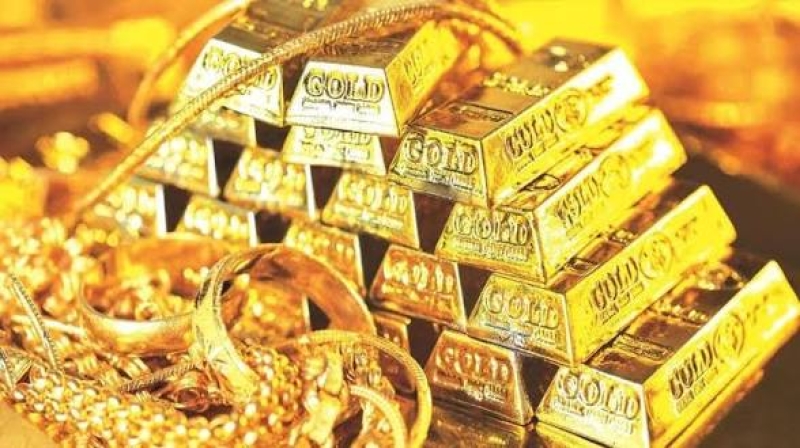
Gold prices have plunged in the international market, with the impact also being felt in Bangladesh. On Friday (November 20), domestic gold prices fell by nearly Tk11,000 per bhori in a single adjustment. The sharp decline has raised questions about whether prices could fall further.
Market experts say concerns over US interest rates, forced asset liquidation and investment strategies based on expectations of further price declines have put considerable pressure on the international gold market. As a result, the precious metal has recorded its steepest weekly decline in eight months.
Investors expect gold prices to fall further, and market analysts share that outlook. They believe prices could decline further before stabilising.
On Friday, spot gold fell 2.7% to $3,525.25 per troy ounce, its lowest level in 14 months. The metal lost around 9.2% over the week. In January, however, gold had reached a record high of $5,515 per ounce.
The decline has largely been driven by a stronger US dollar and expectations that the Federal Reserve could raise interest rates further, reducing the appeal of gold among investors.
Chris Weston, head of research at Pepperstone, said the gold market was facing a complex combination of macroeconomic headwinds and forced selling.
The Federal Reserve's tight monetary policy has strengthened the dollar and pushed up Treasury yields, creating a difficult environment for gold. As the metal does not generate interest, higher returns on other assets tend to make it less attractive to investors.
Stock markets worldwide have also come under pressure, particularly shares of companies linked to artificial intelligence (AI). Amid the downturn, investors have been selling various assets, including gold, to raise cash, adding to the pressure on prices.
Vijay Valecha, chief investment officer at Century Financial, said Friday's decline reflected several negative forces reinforcing one another.
He said the Federal Reserve's tight monetary policy had boosted the dollar, putting additional pressure on gold. At the same time, heavy selling in AI-related stocks had prompted investors to withdraw cash from different asset classes rather than move it into traditional safe-haven investments.
Valecha said trend-following funds had already increased their short positions in gold, a strategy that allows investors to profit from falling prices. Meanwhile, exchange-traded fund (ETF) investors had not yet fully withdrawn from the market, suggesting that further selling pressure could emerge.
Gold is currently trading at around $3,525 per ounce. The key question is whether buyers can defend the psychologically important $3,500 level.
According to Weston, if gold falls below that threshold and remains there, prices could move towards the $3,400-$3,300 range. At those levels, long-term investors and physical gold buyers may begin showing renewed interest.
Frank Walbaum, a market analyst at Naga.com, said gold was now approaching the $3,500 level after breaking through a previous support level.
He warned that if prices remain below this psychologically important threshold for an extended period, gold could fall further towards $3,200 per ounce.