

- COP31 Nears Close as ‘Weak’, ‘Compromised’ Draft Draws Fierce Backlash |
- Bangladesh Begins Plan to Modernise Armed Forces: PM |
- Govt Committed to Making Bangladesh a Dignified Nation: PM |
- Rights Groups Urge Sanctions on Myanmar After ICJ Ruling |
- PM Pays Tribute at Shikha Anirban on Armed Forces Day |
Turning 'My Day, My Rights, My Future' into Global Action
Children Cannot Wait
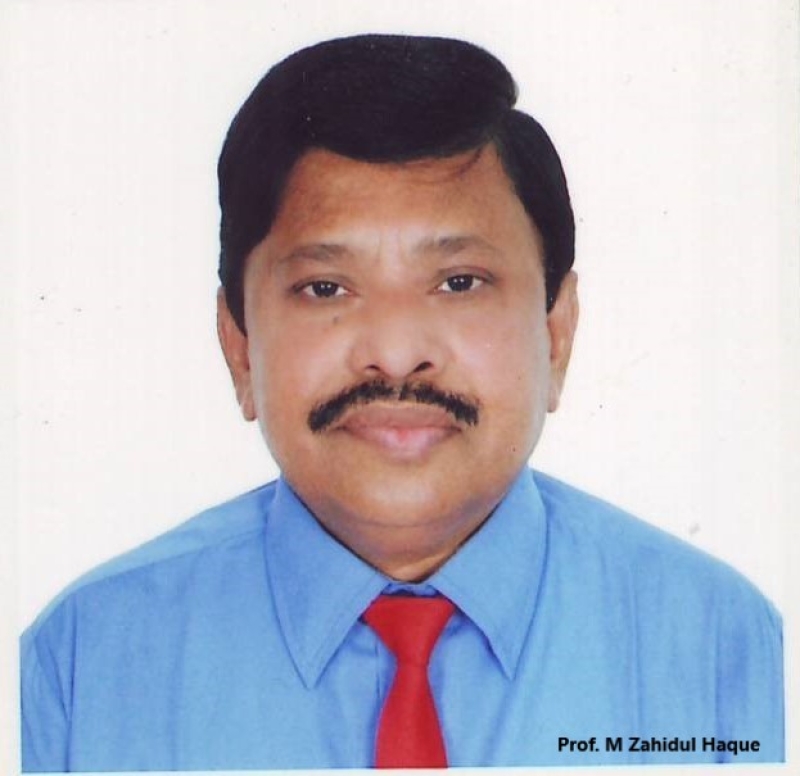
Prof. M Zahidul Haque
Prof. M Zahidul Haque
As the world marks World Philosophy Day on Thursday, 19 November, and prepares to celebrate World Children’s Day on Friday, 20 November, a powerful truth connects both observances: empowering young people begins with teaching them how to think, question, and be heard.
UNICEF’s World Children’s Day 2026 campaign message --“My day, My rights, My future.”—calls on children worldwide to tell leaders what kind of future they want. At a time when armed conflict, climate shocks, and widening inequality threaten decades of hard-won gains, this message serves as an urgent reminder that children are not passive recipients of aid. They are citizens with distinct opinions, hopes, and agency.
A Global Commitment to Young Voices
World Children’s Day commemorates two historic milestones: the UN General Assembly’s adoption of the Declaration of the Rights of the Child in 1959 and the Convention on the Rights of the Child (UNCRC) in 1989. Each year, UNICEF’s Go Blue initiative invites communities across the globe to wear blue and illuminate landmarks in solidarity with children’s rights.
This year’s theme aligns directly with the Sustainable Development Goals on ending poverty (SDG 1), ensuring quality education (SDG 4), reducing inequality (SDG 10), and promoting peace, justice, and strong institutions (SDG 16). Its central demand is clear: adults must listen to children not merely as a symbolic gesture once a year, but as a daily practice in homes, classrooms, and parliaments.
Philosophy with Children: Nurturing Critical Citizens
Listening to children requires equipping them with the tools to articulate their thoughts—a mission championed on World Philosophy Day. Initiatives like the UNESCO Chair on Philosophy with Children highlight the transformative value of introducing philosophical inquiry to young people aged 4 to 18.
By encouraging children to engage in open, reasoned dialogue from an early age, philosophy nurtures critical thinking, humanist values, and gender equality.
It teaches future citizens the necessity of serene, respectful dialogue across cultures while building resilience against dogmatism and prejudice. Through global research, teacher training, and accessible classroom tools, philosophical practice turns abstract rights into lived democratic habits—helping children find their voices and claim their futures.
Global Lessons from Local Realities
While the struggle for children’s rights is global, national experiences illustrate both the promise of steady investment and the danger of unfinished reforms.
Bangladesh offers a compelling case study in how progress and vulnerability often coexist:
• Nutrition and Education: Over recent decades, Bangladesh has expanded primary and secondary stipends, school meals, and maternal health services, helping reduce child stunting to 24 per cent according to the 2025 Multiple Indicator Cluster Survey (MICS).
• Stubborn Social Barriers: Despite gains, child marriage declines too slowly. Nearly half (47.2 per cent) of women aged 20–24 were married before 18, and marriage rates among girls aged 15–19 recently ticked upward to 38.9 per cent—driven heavily by poverty and legal loopholes that cut girls’ education short.
• Fragile Health Systems: Even strong public health networks face shocks. A severe measles outbreak in 2026—resulting in over 131,000 suspected cases and at least 849 child deaths by August—forced an emergency vaccination drive targeting 18 million children, underscoring the need to consistently reach mobile and unregistered populations.
• Inadequate Social Protection: Although children make up roughly a third of the population, they receive only about 8 per cent of social protection funding, with flagship monthly allowances struggling to keep pace with inflation.
These challenges are far from unique to South Asia; they mirror structural gaps facing developing and middle-income nations worldwide.
Five Priorities for Urgent Action
To turn the promise of “My day. My rights. My future.” into reality everywhere, governments and international partners must act on five fronts:
1. Embed critical thinking in education. Integrate philosophical inquiry, civic education, and open dialogue into school curricula so children learn to question, reason, and participate in democratic life.
2. Accelerate the end of child marriage. Close legal loopholes, guarantee secondary schooling for girls, and target economic support to the highest-risk communities.
3. Fortify routine healthcare and immunisation. Protect public health budgets and build resilient outreach systems to ensure no "zero-dose" or marginalized child is left behind.
4. Invest meaningfully in the early years. Expand child-focused social protection and index cash transfers to inflation so families can safeguard early nutrition and development.
5. Institutionalise child participation. Create safe, permanent mechanisms—from school councils to local government forums—where children’s views genuinely shape policy decisions.
A Shared Promise
Parents, educators, policymakers, journalists, and community leaders all share responsibility for the world children inherit. Marking World Philosophy Day and World Children’s Day side by side reminds us that protecting children’s rights means respecting their minds as well as their well-being. Every child deserves a childhood defined by safety, dignity, curiosity, and hope. When we empower children to think freely and speak boldly today, we secure a fairer, more peaceful world tomorrow.