

- Bangladesh Eyes Smarter Future With AI-Driven Services |
- Dhaka’s air quality has been recorded ‘moderate’ on Saturday |
- Bailey bridge collapse disrupts direct Dhaka link to Chandpur |
- No role to play in Hasina presser, Not endorse what was said: Delhi |
- Saudi, Turkey, Pakistan sign ‘Mecca Joint Defense Agreement’ |
Govt takes multifaceted plans to tackle climate change impacts: PM
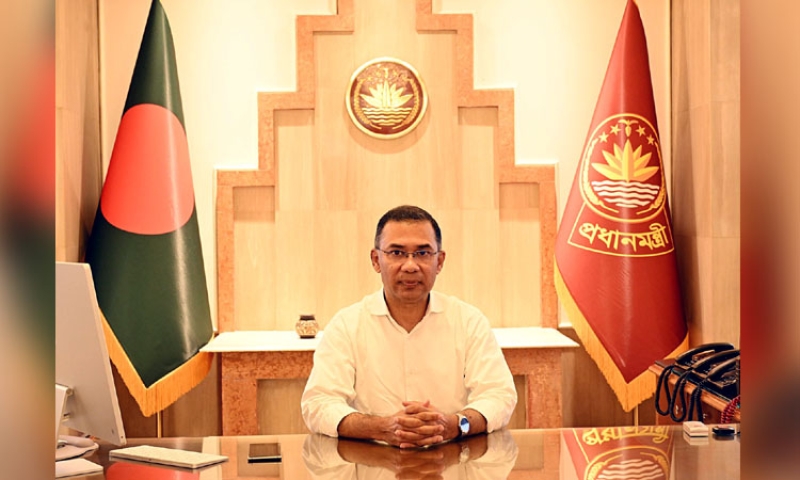
Prime Minister Tarique Rahman today informed the Jatiya Sangsad (JS) that the government has undertaken a wide-ranging plan to address the adverse impacts of climate change.
“Combating climate change has been given priority in the current government's election manifesto. To tackle the adverse impact of climate change, multifaceted action plans and programmes have been undertaken, particularly in the water resources sector,” he said.
The Leader of the House said this while replying to a starred tabled question from treasury bench lawmaker from Tangail-6 constituency, Md Robiul Awal, in the House this afternoon with Speaker Hafiz Uddin Ahmad, Bir Bikram, in the chair.
The Prime Minister noted that Bangladesh is one of the most disaster-prone countries in the world due to its geographical location, dense population, extensive river system, and coastal features.
He said due to climate change, the frequency and intensity of cyclones, storm surges, floods, flash floods, river erosion, droughts, excessive rainfall, lightning, heatwaves and salinity intrusion increasing, adversely affecting livelihoods, agriculture, infrastructure, the environment and the economy.
Highlighting the major initiatives to address climate change, he said the Padma Barrage Project involving Taka 34,347 crore was approved on May 13 this year for implementation in the first phase.
The Prime Minister informed the House that the project will increase water flow in the Padma River during the dry season through water conservation, revive river systems in Padma-dependent areas, reduce salinity intrusion in the southern region, restore ecological balance in the Sundarbans, improve drainage systems, reduce waterlogging, expand irrigation facilities and enhance water security.
The project is also expected to generate 113 megawatts of hydropower and contribute an additional 0.45 percent growth to the country's Gross Domestic Product (GDP), he added.
Tarique Rahman said in line with the current government's election pledge, the nationwide programme for excavation and re-excavation of rivers, canals and water bodies is going on aimed at increasing use of surface water, improving irrigation and drainage systems, boosting agricultural production and improving environment.