

- Board of Peace quietly met with UNRWA, ex-agency chief says |
- Man arrested with cocktail ingredients, 9,000 masks in Keraniganj |
- Anthrax detected in 3 of 11 people tested in Rangpur |
- Woman killed, 4 of her family missing in Meghna boat capsize |
- State can never be strong keeping citizens powerless: PM at UNGA |
BB to Identify Loan Funds Siphoned Abroad, Recover Money
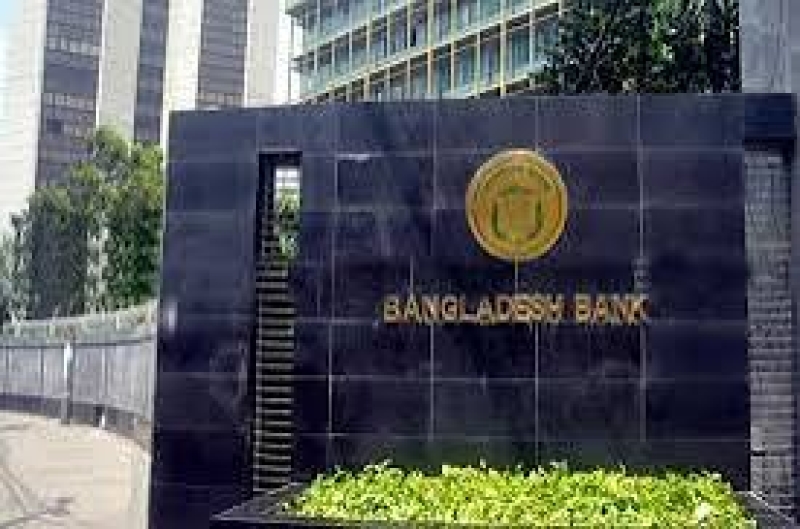
Bangladesh Bank has begun discussions with around 42 banks over defaulted loans exceeding Tk 200 crore, with plans to identify cases where loan proceeds may have been siphoned abroad and take steps to recover the funds.
Bangladesh Bank spokesperson Arif Hossain Khan disclosed the development to journalists on Sunday.
He said some borrowers with loans exceeding Tk 200 crore may have transferred the funds abroad, while in other cases, the owners of borrowing companies or the borrowers themselves cannot be located. The central bank is discussing such cases with the concerned banks.
Bangladesh Bank has decided to seek assistance from internationally reputed law firms to recover money believed to have been transferred overseas. Legal action will be pursued under the laws of the countries where the funds are suspected to have been taken.
Khan said recovery of defaulted loans and repatriation of laundered money are separate processes. A loan becomes classified as defaulted when a borrower fails to repay it, after which the bank follows its usual recovery procedures.
However, if an investigation finds that loan proceeds were transferred abroad, the funds must be recovered through legal procedures in the relevant foreign jurisdiction.
Although the processes are separate, their ultimate objective is the same: recovering banks’ outstanding loans and bringing back money transferred overseas.
The central bank is reviewing how funds from large loans were used, particularly in cases where questions have arisen over the existence of a borrower’s business or where there are indications that loan proceeds were diverted elsewhere.
Khan said a business may legitimately become a defaulter because of losses or other commercial difficulties. However, in some cases, loans are taken in the names of businesses that do not actually exist, while in others, borrowed funds are transferred abroad.
Such cases, he said, should not be treated in the same way as ordinary business-related loan defaults.
The central bank is also moving to engage international firms experienced in recovering assets transferred abroad. Under the proposed arrangement, the firms would not receive upfront payments. Instead, they would be paid a proportion of the recovered funds if they successfully recover the money.
A similar approach will be applied to large defaulted loans, particularly where there is preliminary evidence that loan proceeds were transferred overseas. Recovery efforts will be pursued through the legal systems of the countries concerned.
Earlier, Bangladesh Bank identified 11 individuals and entities suspected of being involved in transferring an estimated Tk 70,000-80,000 crore abroad. Diplomatic and legal efforts are underway to bring the money back.
Central bank officials said recovering laundered money is a complex process because action must be taken under the laws of the countries where the funds were transferred. Bangladesh is therefore seeking assistance from international legal firms with expertise in foreign asset recovery.
The central bank believes that where evidence emerges that proceeds from large defaulted loans were transferred abroad, recovery efforts should go beyond conventional banking procedures and include international legal action. This could help recover banks’ outstanding loans and repatriate funds taken out of the country.