

- Iran dismisses Trump’s threats, vows swift response to any US attack |
- Student-led shrimp farming sparks rural aquaculture boom in Naogaon |
- Bangladesh Sets Path for Sustainable Farming by 2050 |
- Child rescued from deep tube-well hole in Ctg dies |
- Days ahead will be very challenging for journalists' - ABM Mosharraf |
Bangladesh Sets Path for Sustainable Farming by 2050
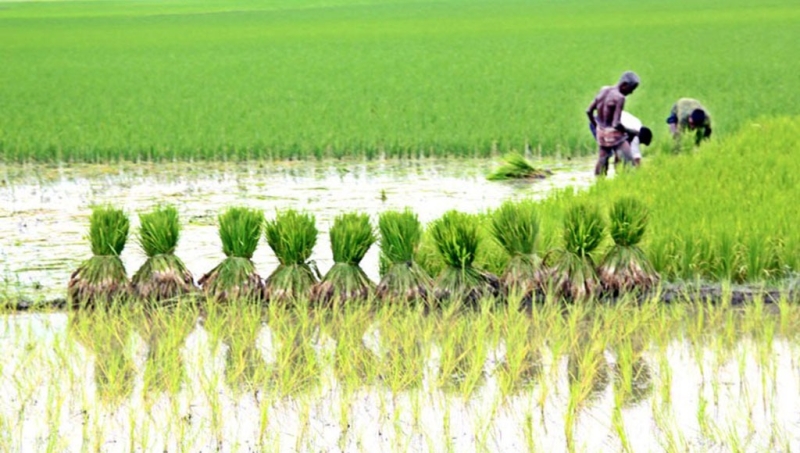
The government has drawn up a long-term roadmap to transform Bangladesh’s agriculture into a sustainable, market-oriented and innovation-led sector by 2050.
A draft of the plan, titled “Transforming Bangladesh Agriculture: Outlook 2050”, was unveiled at a national workshop in Dhaka on Tuesday. The initiative outlines a vision to boost productivity, strengthen climate resilience and enhance value addition across the farming sector.
Officials said the plan is based on extensive background studies covering 13 thematic areas, including nutrition security, climate resilience, agricultural technology, value addition, skills development and market management. Each theme includes clearly defined strategies and targets extending to 2050.
The studies were supported by international development partners, while feasibility assessments were conducted using data analysis, trend reviews and demand–supply projections. Regional consultations were also held in all 14 agricultural regions to reflect local agro-ecological conditions, farming practices and market realities.
According to planners, these consultations—attended by farmers and other stakeholders—helped identify regional priorities, implementation challenges and potential investment opportunities.
The draft plan is structured into seven chapters, covering the formulation process, the current state of agriculture, future challenges and opportunities, policy and regulatory support, integrated findings from the thematic studies, phased implementation plans and an investment framework aligned with national development goals. A monitoring and evaluation system has also been proposed to track progress and make adjustments when needed.
At the workshop, Sher-e-Bangla Agricultural University professor and GlobalGAP trainer Abu Noman Faruq Ahmmed presented proposals on Good Agricultural Practices (GAP), sanitary and phytosanitary compliance, pest management and soil health. He said the plan aims to bring 300,000 hectares of farmland under GAP certification by 2028 to ensure food safety.
He also noted that by 2050, around 70 percent of farmland is targeted to be managed under integrated pest management and bio-pesticide use. Soil health measures will focus on increasing organic matter, correcting salinity and acidity, and promoting balanced fertiliser use through digital soil health cards.
Speaking as chief guest, Agriculture Adviser Lieutenant General (retd) Md Jahangir Alam Chowdhury said transforming agriculture over the next 25 years would be crucial for improving living standards, ensuring food security and advancing rural development. He added that the plan’s success would have a broader impact on national economic progress.
Officials involved in drafting the document said the outlook was prepared through a participatory process involving government bodies, researchers, academics, agricultural entrepreneurs, farmer organisations, civil society representatives and development partners. Feedback from the national workshop will be incorporated into the final version of the plan.