

- 2 children die with measles symptoms |
- Bangladesh Gets Three More Years to Prepare for LDC Graduation |
- Dhaka ranks 5th among cities with worst air quality this morning |
- Netanyahu’s Bloc Loses Majority as Party Claims Vote Stolen |
- 3-Day Tourism Fair Begins; Theme 'AI Powered Tourism, Sustainable Destination' |
Qatari delegation in Tehran for talks: state media
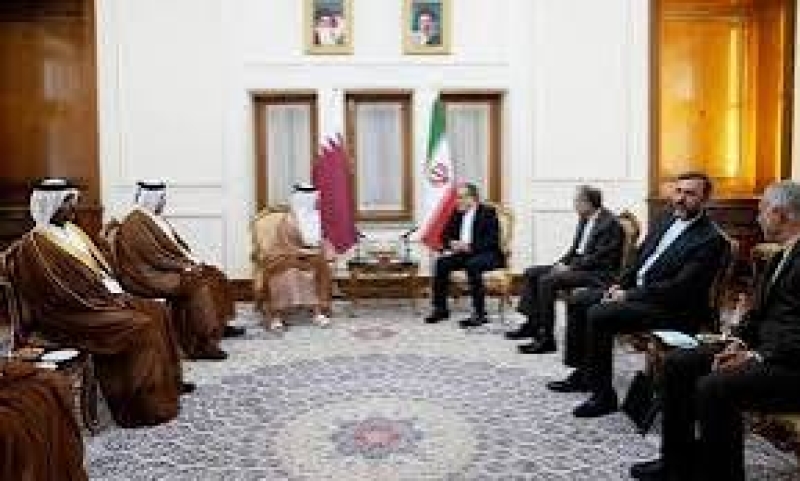
A Qatari delegation arrived in Tehran on Friday for talks with Iranian officials, state media reported, as mediators press efforts to revive peace talks with the United States.
According to the IRNA state news agency, the delegation, headed by a senior adviser to Qatar's prime minister, came to discuss "bilateral relations... as well as regional developments" with senior Iranian officials.
Senior officials from several countries have flown to Tehran in recent days as fears rise of a return to hostilities in the Middle East war, which started eight months ago.
The reported Qatari visit came a day after Iranian media said Iran had received a letter from US Vice President JD Vance addressed to security chief Mohsen Rezaei.
The Wall Street Journal said the letter focused on a possible framework for negotiations rather than specific terms for a peace deal.
The New York Times reported that Vance "made the outreach in a letter sent last week via Qatari mediators and delivered Sunday to Gen. Mohsen Rezaei".
Qatar and Pakistan have been mediating efforts to revive peace talks following a ceasefire agreement in April. A Qatari delegation was also in Tehran on Sunday, according to a senior Iranian official.
Qatari Emir Sheikh Tamim bin Hamad Al Thani and Iranian President Masoud Pezeshkian discussed the war on the sidelines of a meeting in Moscow on Tuesday.
Also this week, senior officials from Pakistan, Saudi Arabia and Turkey -- which signed a defence alliance in Mecca in August -- flew to Tehran for talks.
The Middle East war began on February 28 with US-Israeli strikes on Iran that killed former supreme leader Ayatollah Ali Khamenei and senior military commanders in Tehran.
Iran retaliated with attacks on Israel and US assets across the region, while stopping ships using the Strait of Hormuz, a waterway that normally carries around one-fifth of global oil consumption.
On Wednesday, Iranian Foreign Minister Abbas Araghchi said Tehran was discussing a plan with both mediators, Qatar and Pakistan, to end the war and reopen the waterway.
The US has meanwhile imposed a blockade on Iranian ports, further restricting Tehran's ability to export oil and conduct trade, reports BSS.
Tehran insists that Washington meet seven conditions for reopening the strait, including a ceasefire across the Middle East, unfreezing Iranian assets abroad, lifting sanctions on its oil sector and ending the US naval blockade.