

- Ocean’s ability to absorb carbon falling as CC intensifies |
- Bangladesh, Japan Sign Four MoUs and Two Grant Agreements |
- 46 Killed in Collision Between Two High-Speed Trains in Spain |
- Tarique Urges Japanese Investment in Energy, Rail, Technology |
- Tarique Seeks Japan’s Support to Diversify Bangladesh’s Exports |
Diplomacy Remains Possible as Mediators Discuss Plan to End War with US: Iran
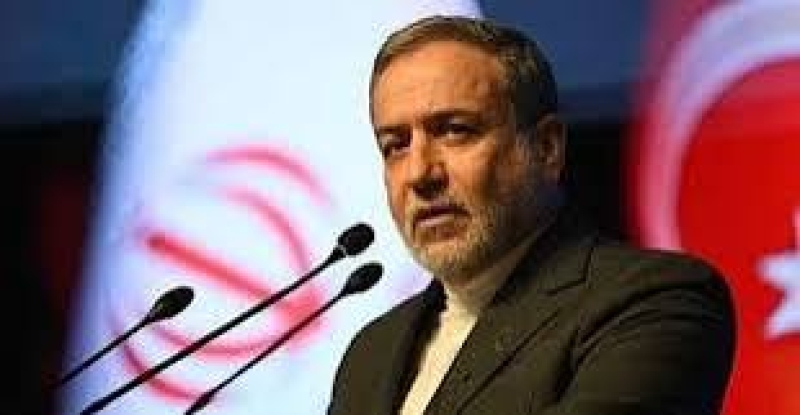
Iran has signalled that diplomatic efforts to end the ongoing war with the United States remain possible, as regional and international mediators continue discussions on a proposed plan aimed at reducing tensions and finding a path towards a lasting agreement.
Iranian Foreign Minister Abbas Araghchi’s announcement regarding a seven-day plan concerning the Strait of Hormuz comes amid continuing diplomatic contacts and efforts to address the conflict. The initiative has drawn attention to the strategic waterway, which is a vital route for global energy shipments and international maritime trade.
An Iranian official told Al Jazeera that Tehran’s main priority is to ensure that its demands are addressed rather than rushing to reach an agreement. The official indicated that Iran wants any diplomatic process to focus on substantive issues and produce a durable outcome instead of simply meeting a deadline.
Deep mistrust between the parties remains a significant obstacle to negotiations. According to the official, Tehran is seeking firm and credible guarantees that any agreement, whether interim or permanent, will be respected and implemented. Iran’s concerns reflect doubts about whether commitments made during negotiations would remain in place over the longer term.
The official’s comments suggest that, although diplomacy has not been ruled out, progress will depend on the terms of a potential agreement and the assurances provided by the parties involved. Iran appears to be emphasising the importance of securing its stated objectives before agreeing to any arrangement intended to end hostilities.
Tehran has also recently held discussions with Qatar, Russia, Pakistan, Saudi Arabia and Turkiye as diplomatic efforts continue. However, Iranian authorities have disclosed few details about these talks, including the specific proposals discussed, the positions presented by the participating countries and whether any concrete progress has been achieved.
The involvement of several regional and international actors highlights the continuing diplomatic efforts to find a way out of the conflict. These countries could provide channels of communication between the parties, although the precise role each is playing in the current discussions remains unclear.
The proposed seven-day Hormuz plan has added another dimension to the diplomatic process, with the security and operation of the strategic waterway likely to remain an important issue in discussions. Any arrangement concerning the strait could have implications for shipping, energy supplies and wider regional stability.
Despite the continued contacts, major questions remain over whether the parties can bridge their differences and agree on terms acceptable to all sides. The lack of detailed public information about the negotiations also makes it difficult to determine how close the discussions are to producing a formal agreement.
For now, Iran’s position indicates that diplomatic engagement remains an option, but Tehran is placing particular emphasis on guarantees, the fulfilment of its demands and the durability of any settlement. Whether the ongoing mediation efforts can translate into a concrete agreement will depend on the progress of negotiations and the willingness of the parties to address their differences.