

- Around 7,500 Bangladeshis imprisoned in Saudi Arabia: Shama Obaed |
- Bangladesh Outperforms India in Global Hunger Index 2026 |
- Covered van hits Gazipur police patrol team, killing SI, BNP leader |
- Korean City scrambles to rescue dusky shark after it returns to canal |
- PM inspects Mongla Port, Sundarbans, proposed economic zone |
How has the US-Iran war changed since February?
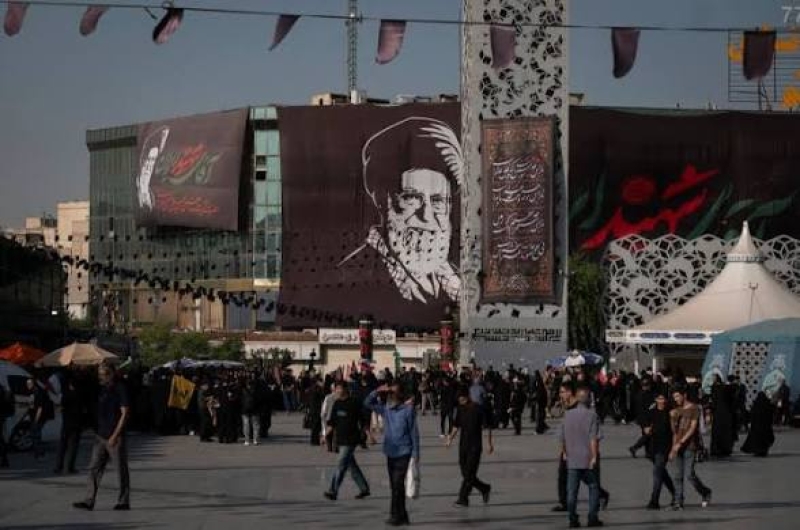
When the US and Israel launched strikes on Iran on February 28, negotiations between Washington and Tehran were focused on Iran’s nuclear programme and regional allies.
Nearly eight months later, the landscape has changed dramatically, with new battlegrounds, mounting economic costs and growing political pressure on both sides.
The Strait of Hormuz, which was open to international shipping before the war, has become a central point of contention. Iranian attacks on vessels and energy infrastructure, alongside a US blockade of Iranian ports, have disrupted global oil and gas supplies.
The fighting has also spread across the region. Renewed clashes between Yemen’s government forces and the Houthis have brought attacks on Saudi airports and oil facilities, raising concerns over shipping through the Red Sea.
The economic consequences have been substantial. Iran’s economy has contracted sharply under sanctions and military pressure, while the US has spent tens of billions of dollars on the war. Rising fuel prices have also increased pressure on President Donald Trump.
Militarily, Washington has demonstrated its ability to strike deep inside Iran, but Tehran has retained the capacity to retaliate through drones, missiles and attacks on shipping, reports AL Jazeera.