

- Dhaka Tops Global Pollution List with Hazardous Air |
- Country Observes Martyred Army Day Today |
- 100 CSOs rally against Trump’s trade tactics, urge access to drugs |
- BNP believes in multiparty democracy, not revenge: Moyeen Khan |
- Bangladesh reaffirms commitment to revitalise SAARC process |
Dhaka Tops Global Pollution List with Hazardous Air
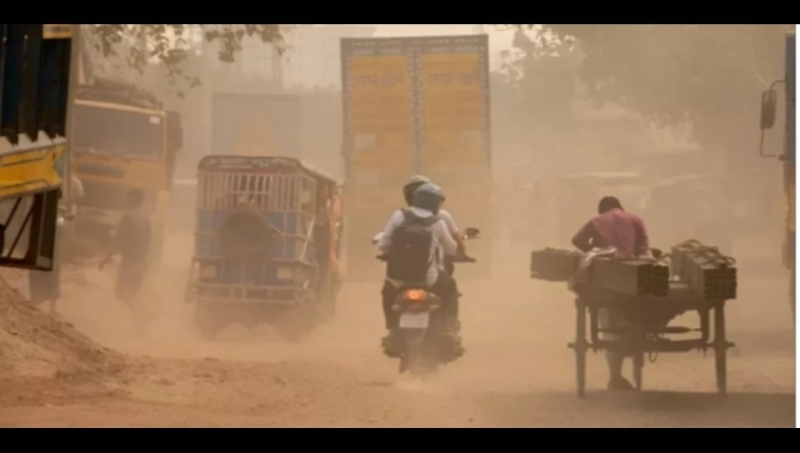
Dhaka, the densely populated capital of Bangladesh, ranked as the world’s most polluted city on Wednesday morning, recording an Air Quality Index (AQI) of 277 at 8:18 am.
The air quality was classified as “very unhealthy,” signalling a serious health risk for residents, according to the AQI report.
Delhi in India and Lahore in Pakistan ranked second and third, both recording AQI scores of 241. Karachi followed in fourth place with a reading of 141.
According to AQI standards, a score between 50 and 100 indicates “moderate” air quality, which is generally acceptable but may pose risks to sensitive individuals. Levels of 101–150 are considered “unhealthy for sensitive groups,” 151–200 “unhealthy,” 201–300 “very unhealthy,” and above 301 “hazardous,” posing severe health threats.
The AQI measures daily air quality and informs the public about pollution levels and associated health risks. In Bangladesh, the index is calculated based on five major pollutants: particulate matter (PM10 and PM2.5), nitrogen dioxide, carbon monoxide, sulfur dioxide and ozone.
Dhaka has long struggled with severe air pollution, which typically worsens during winter due to dry conditions and improves during the monsoon season when rainfall helps clear pollutants from the air.
The World Health Organization estimates that air pollution causes around seven million deaths globally each year, mainly due to stroke, heart disease, chronic respiratory conditions, lung cancer and acute respiratory infections.