

- NCP Khulna Chief Critically Shot Amid Rising Political Violence |
- Indian MP Warns Bangladesh Faces Rising Lawlessness |
- Law and Order Must Be Ensured Ahead of Polls: Prof Yunus |
- Tough times ahead, everyone must remain united: Tarique Rahman |
- Sirajganj’s luxuriant mustard fields bloom as an oasis of gold |
Indian MP Warns Bangladesh Faces Rising Lawlessness
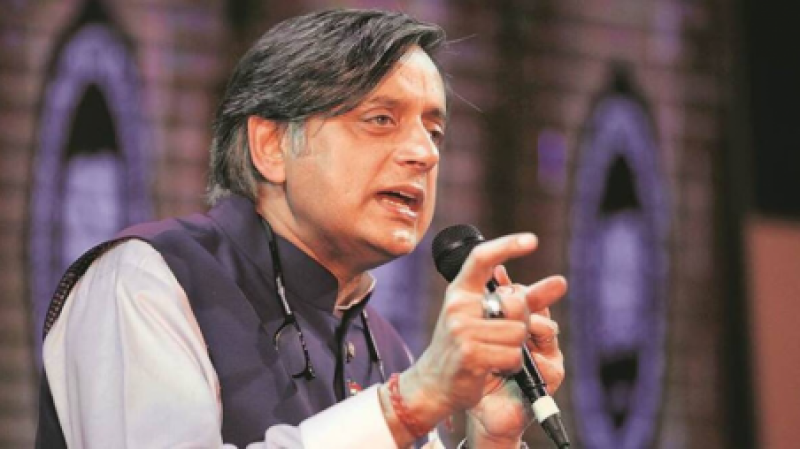
Shashi Tharoor
Indian lawmaker Shashi Tharoor has warned that Bangladesh is facing a growing crisis of lawlessness, describing the situation as a “mobocracy” where violent groups are undermining democratic processes.
In an interview, Tharoor said the unrest, sparked by a student-led revolt, has empowered a mix of unruly elements, released criminals, and Islamist groups, including Jamaat-e-Islami, who are “running amok” across the country.
He pointed to widespread arson, attacks on media outlets, and extreme acts of violence, including the lynching of a Hindu man over a false blasphemy accusation, as signs of rising intolerance.
Tharoor criticized the interim government led by Nobel laureate Mohammad Yunus for failing to respond decisively, acting instead as a “helpless observer” and relying on condemnations rather than concrete action. He stressed that serious offenders must face “exemplary punishment” to prevent recurring violence.
The Indian MP also noted that student leaders have been delivering inflammatory speeches to large crowds, including threats against India’s northeastern states, with some forces allegedly backing the interim administration.
Tharoor warned that free and fair elections would be impossible if voters continue to be intimidated by violence. He likened the situation to a ship whose crew has mutinied, with the captain powerless to restore order.
While acknowledging Yunus as a respected global figure, Tharoor said the current approach is insufficient, and stronger measures are needed to prevent the persistence of “mobocracy” in Bangladesh.