

- Stocks end week sharply lower as DSE, CSE indices tumble |
- 'Not all collections in the road transport sector is extortion': Sk Rabiul |
- Zubaida, Zaima take iftar with orphan students |
- Dhaka ranks second among world’s most polluted cities Friday |
- Dhaka to maintain ties with all countries with dignity |
Global Fight for Women’s Equality Faces Persistent Challenges
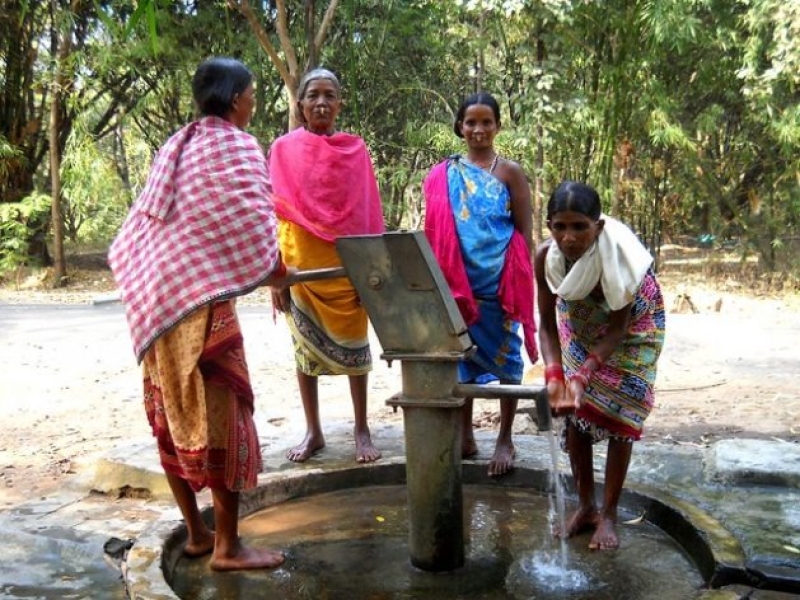
Women perform a disproportionate amount of unpaid labor, hindering their ability to build assets or advance careers.
The global struggle for equality for women and girls has been ongoing for centuries, with no country achieving full equality. In many regions, women and girls continue to face discrimination, harassment, unequal treatment, domestic violence, and lack of safety.
A primary goal of this struggle is to dismantle systemic discrimination and secure basic human rights, including economic freedom, social independence, voting power, and bodily autonomy.
Discrimination, harassment, limited healthcare, unequal access to resources, education, and political power, high rates of violence, forced marriages, and cultural preferences for male children all contribute to the persistent inequality faced by women and girls.
While progress has been made, many women and girls continue to fight for their lives, rights, and dignity. It was not until the early 20th century that countries began passing legislation to grant women the right to vote. New Zealand led the way in 1893, followed by Australia, Finland, Denmark, and Iceland a decade later. By the mid-20th century, over half of countries had granted women voting rights. Today, nearly all nations allow women to vote, though some restrictive regimes effectively deny this right.
National surveys show broad public support for women’s equality, ranging from over 90 percent in countries such as Canada, Sweden, and the United Kingdom to around 55 percent in Kenya, Russia, and South Korea. Yet a minority of misogynists continue to treat women as inferior, limiting their political, social, and economic rights, and subjecting them to intimidation, ridicule, and abuse.
Various indexes measure progress in women’s equality. The Women, Peace and Security Index, based on 13 indicators in 181 countries, focuses on inclusion, justice, rights, security, and safety. Denmark, Iceland, Norway, Sweden, and Finland consistently rank highest, while Afghanistan, Yemen, the Central African Republic, Syria, and Sudan rank lowest. Notably, the largest economies are not among the top-ranked countries, with China and India ranking 89th and 131st respectively.
The United Nations Gender Inequality Index (GII) highlights disparities in maternal health, education, parliamentary representation, and labor market participation. According to the GII, the top-ranking countries are Denmark, Norway, Sweden, Switzerland, and the Netherlands, while Yemen, Nigeria, Somalia, Chad, and Afghanistan rank lowest.
Barriers to equality include restrictive laws, discriminatory norms, cultural stereotypes, violence risks, unequal education, unconscious bias, weak policy enforcement, economic disparities, and structural disadvantages. Men and boys are often given more education, power, resources, and opportunities, while traditional or religious norms reinforce male dominance and female subordination in practice.
Women also perform disproportionate unpaid labor, face lower pay for equal work, and often have limited access to land, credit, and financial services. Humanitarian crises, climate change, and pandemics disproportionately affect women, while fragile or conflict-affected states rank poorly in equality measures.
Inequality persists within countries as well. For example, in the United States, despite women representing 50 percent of the population, disparities remain across social, economic, and political sectors. Studies indicate that states such as Hawaii, Nevada, Maryland, Maine, and Oregon lead in women’s equality, while Utah, Texas, Idaho, Arkansas, and Louisiana rank lowest.
With only five years left to meet the gender equality goals of the 2030 Agenda for Sustainable Development, urgent action is required. Eleven major challenges have been identified, including discrimination, violence, lack of political representation, limited access to education and healthcare, poverty, and restricted economic opportunities.
Globally, approximately one in three women — around 840 million — have experienced partner or sexual violence in their lifetime. In the last 12 months, 316 million women (11 percent of those aged 15 or older) were subjected to physical or sexual violence by an intimate partner.
Achieving women’s equality requires multi-faceted strategies: enforcing legal protections, ensuring equal pay and education, promoting women in leadership, dismantling stereotypes, advancing inclusive policies, supporting women-led institutions, and encouraging shared domestic responsibilities. Governments, NGOs, businesses, schools, community organizations, families, and individuals all have roles to play in creating an environment free from discrimination and violence.
Women’s equality is not only a fundamental human right but also essential for sustainable development and global peace. Progress has been made, yet the world remains off track to achieve full gender equality by 2030.
Joseph Chamie is an independent consulting demographer and former director of the United Nations Population Division.