

- Rivers Must Remain Alive Until They Meet Seas – Basin Summit |
- Monsoon Sets In Bangladesh With Erratic Signals |
- Freeing Bourses From Evil Grips of Cronies And Oligarchs |
- Uneasy Calm In BD Political Arena Over Amendment Or Reform |
- UN experts for urgest action to support Rohingya Refugees in BD |
Preparing Agriculture for a New Era of Extreme Weather
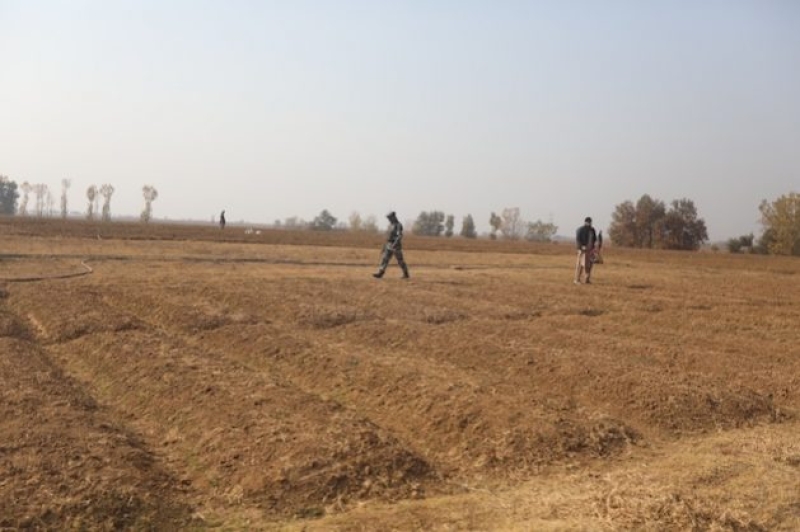
Time and again, evidence has shown that proactive investments in anticipatory action, preparedness and mitigation can reduce the negative impacts of extreme weather events while minimizing economic losses.
Recently, the Food and Agriculture Organization of the United Nations issued an alert warning countries around the world about an impending new El Niño phase that is expected to significantly increase the likelihood of droughts, heatwaves, storms and flooding, posing major risks to agriculture across multiple regions.
But this is not entirely surprising. In recent years, including 2026, droughts, storms, tornadoes, heatwaves and floods have become increasingly frequent and severe.
These erratic and extreme weather events have resulted in loss of life and billions of dollars in infrastructure damage while inflicting devastating consequences on crop production, food security and agriculture — a sector that supports millions of livelihoods, provides employment and contributes significantly to national economies in the United States and around the world.
The question then becomes: How can countries, including the United States, best prepare for these devastating extreme weather events and their potentially severe impacts on agriculture and food security?
First and foremost, countries need to invest in anticipatory action plans, strengthen early warning and forecasting systems, and equip citizens and at-risk communities with practical solutions and mitigation strategies that can be implemented before catastrophic weather events occur.
Doing so is a win-win for everyone. Time and again, evidence has shown that proactive investments in anticipatory action, preparedness and mitigation can reduce the negative impacts of extreme weather events while minimising economic losses.
Complementing these forecasting systems should be national preparedness plans designed to protect food and agricultural supply chains, from production through consumption, before, during and after extreme weather events.
Countries should also promote a culture of preparedness by encouraging citizens, farmers and other stakeholders in the agriculture sector to take anticipatory action before extreme weather strikes. For example, in 2025, the United States Department of Agriculture encouraged producers to prepare for the hurricane season.
The anticipatory actions farmers and other agricultural stakeholders can take will vary depending on available resources and the type of weather event expected. If heatwaves and drought are forecast, for instance, farmers can take measures such as planting drought-tolerant crop varieties and adopting innovative drought-management solutions. When flooding is expected, farmers can plant flood-tolerant varieties.
In parallel with preparedness efforts, countries must encourage farmers to adopt regenerative agriculture practices, including cover cropping, reduced-tillage and no-till farming, crop rotation, integrated pest management, mixed cropping and other soil-health-building strategies.
Collectively, these practices improve soil health, enhance water retention and strengthen crops' ability to withstand heatwaves, droughts, flooding and other extreme weather events.
Agricultural research is also revealing other promising approaches, including the use of beneficial soil microbes to improve crop production while strengthening plant resilience to drought and other biotic and abiotic stresses.
Importantly, there is a continued need to invest in research and development. To stay ahead of increasingly frequent and severe weather events and their devastating impacts on agriculture, countries must continue to invest in science and fund research. Sadly, many countries, including the United States, continue to cut public funding for research and development. This needs to change.
When scientists receive adequate support and investments are made, researchers can continue studying not only the impacts of extreme weather events but also innovative solutions to address these challenges.
Alongside investment in research, there is also a need to invest in agricultural extension services. Extension serves as the link that makes research effective at the community level, helping transfer scientific knowledge and new discoveries to farmers and other stakeholders.
Agricultural extension workers advise farmers throughout the growing season, recommending changes and strategies to help crops survive weather-related challenges.
Finally, continued collaboration across sectors and countries is necessary to confront weather-related challenges affecting agriculture.
This includes forging creative partnerships among governments, federal and state funding agencies, public and private research institutions, universities, farmers, extension experts and agents, non-governmental organisations and philanthropists.
Coordinated collaboration can go a long way towards ensuring that extreme weather events have minimal impacts on agriculture and food security.
At a time when unpredictable and extreme weather events are becoming more frequent and severe, investing in anticipatory action, early warning and forecasting systems, preparedness plans, and creative and innovative ways of disseminating information, solutions and strategies to farmers will go a long way towards improving agricultural productivity.
These investments can also strengthen our ability to grow crops sustainably and meet food security needs, both today and in the years to come.
Esther Ngumbi, PhD, is an Assistant Professor in the Department of Entomology and the Department of African American Studies at the University of Illinois Urbana-Champaign.