

- Rooppur Unit-1 Gets Approval for First Nuclear Reaction |
- DP World to Operate Chattogram Port NCT for 15 Years |
- Anne Carson Wins 2026 Nobel Prize in Literature |
- Workers Helping Feed the World but Starved of Dignity |
- They feed the world, but food workers are Earth’s most exploited |
Rooppur Unit-1 Gets Approval for First Nuclear Reaction
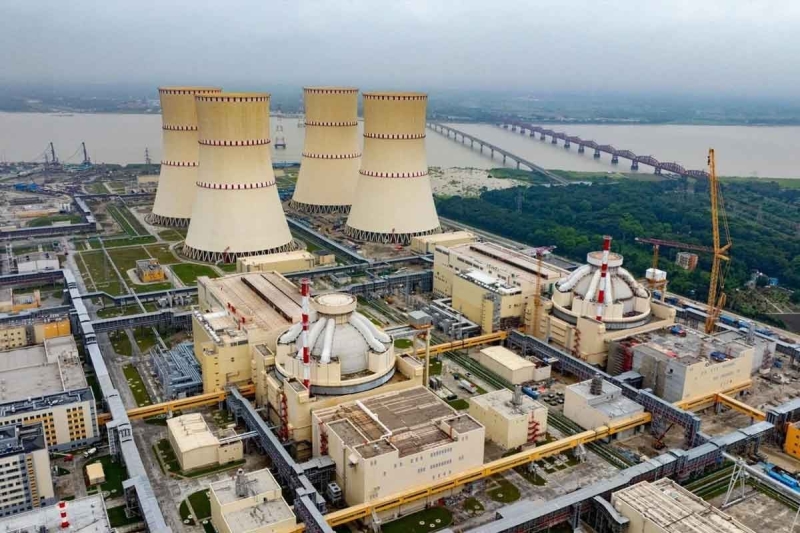
Bangladesh has moved a major step closer to generating nuclear power after the Bangladesh Atomic Energy Regulatory Authority (BAERA) approved the start of the first controlled nuclear reaction at Unit-1 of the Rooppur Nuclear Power Plant.
BAERA granted the approval on Thursday, allowing the 1,200-megawatt unit to proceed to the criticality stage. The process, known as “first criticality”, is a key milestone before a nuclear power plant begins generating electricity.
BAERA Chairman Mahmudul Hasan said two more regulatory approvals would be required before the unit could be connected to the national grid.
The approval had been delayed because of technical problems involving the unit’s pressure-operated relief valves (PORV/POSV), which are important safety components for managing pressure in the reactor’s primary cooling system.
A team of Russian specialists worked to resolve the technical problems, after which the relevant safety valves successfully passed the required tests. The successful completion of the tests paved the way for the regulator to allow the project to move to the next stage of commissioning.
At the first criticality stage, the reactor will establish a controlled, self-sustaining nuclear fission chain reaction. The reactor’s power will then be increased gradually through successive commissioning stages before electricity generation and eventual grid synchronisation.
According to project officials, if the remaining commissioning and regulatory stages are completed successfully, trial electricity supply to the national grid could begin by the end of December.
The Rooppur Nuclear Power Plant in Pabna is Bangladesh’s first nuclear power project. It consists of two 1,200MW units being built with Russian financial and technical assistance.
The approval for Unit-1 marks a significant milestone in Bangladesh’s nuclear power programme, bringing the country closer to its first electricity generation from a nuclear reactor.