

- 100 CSOs rally against Trump’s trade tactics, urge access to drugs |
- BNP believes in multiparty democracy, not revenge: Moyeen Khan |
- Bangladesh reaffirms commitment to revitalise SAARC process |
- Bangla Academy assures inclusive Ekushey Book Fair From Feb 26 |
- 2 former National University VCs face travel ban |
US Imposes 10% Tariff on Imports After Court Ruling
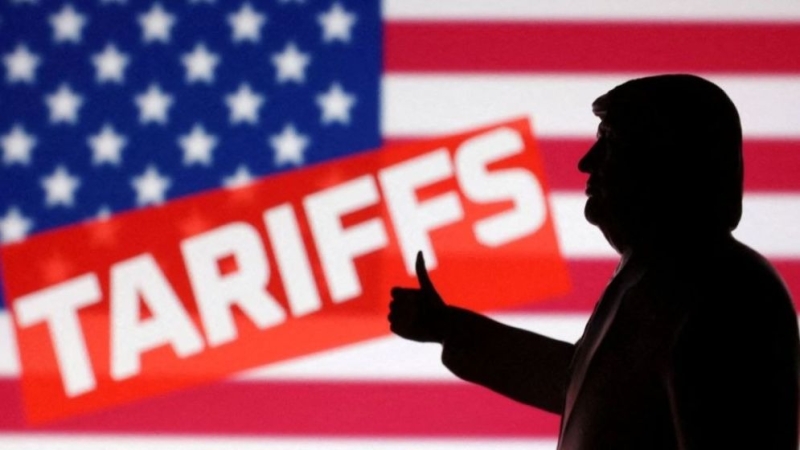
The United States has begun enforcing a new 10% tariff on most imported goods not covered by exemptions, according to customs authorities, adopting a lower rate than previously signalled by President Donald Trump.
The measure took effect at midnight on Tuesday. It follows a recent court decision that struck down earlier tariffs imposed under emergency powers, prompting the administration to introduce a temporary global duty.
Trump had first announced a 10% tariff, then indicated it could rise to 15%. However, official guidance confirmed that, for now, imports would face an additional 10% ad valorem duty unless specifically exempted. No formal explanation was provided for the lower rate, adding to uncertainty over US trade policy.
Officials suggested the higher rate might still be introduced later, but there has been no confirmation. Analysts said upcoming policy statements could clarify the administration’s next steps.
Despite being less severe than feared, the new tariff has unsettled markets. European stocks initially fell amid concerns about global trade prospects before stabilising later in the session.
The duties replace earlier tariffs that ranged from 10% to as much as 50% and were invalidated by the Supreme Court of the United States. It remains unclear whether companies will receive refunds for payments made under the cancelled measures.
The new tariffs were imposed under Section 122 of US trade law, which allows temporary duties of up to 150 days to address serious balance-of-payments problems. The administration argues that a large trade deficit justifies the action.
Trump also warned trading partners not to withdraw from existing agreements, saying countries could face steeper duties under other legal provisions if they did so.
Several major economies responded cautiously. Japan requested assurances that its treatment would remain consistent with existing agreements, while the European Union, United Kingdom and Taiwan signalled they preferred to maintain current trade arrangements.
Meanwhile, China criticised the move as unilateral and called for renewed trade talks with Washington.
Economists warned that uncertainty may persist even if the measures are temporary, noting that the administration could repeatedly extend them under existing law.