

- Govt welcomes Tarique Rahman’s return, assures full coop |
- BNP strikes polls deal with 7 more partners, reserves 8 seats |
- BRTA tops corruption list among public service offices: BBS |
- Toll-free entry for vehicles via airport area expressway Thursday |
- ‘Very unhealthy’ air quality persists in Dhaka |
How Hilltop Settlers Coordinate Attacks to Seize Land
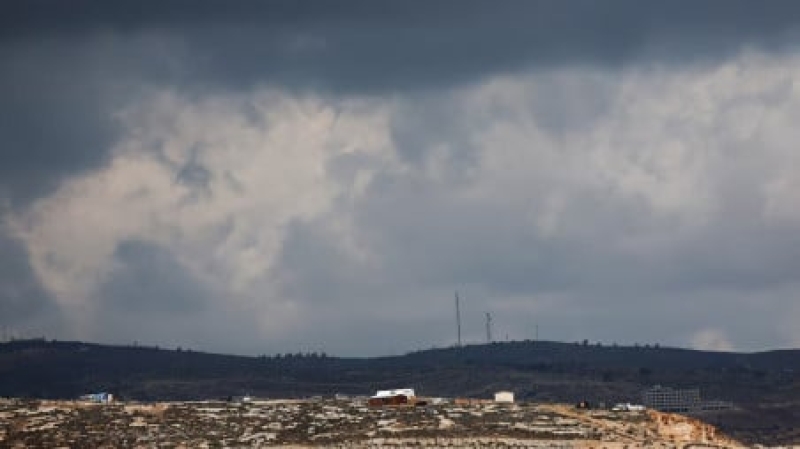
A new Israeli settler outpost near Deir Dibwan, in the Israeli-occupied West Bank December 13, 2025.
The settler outpost of Or Meir consists of a small cluster of prefabricated structures perched on a hill overlooking Road 60, a key artery running through the occupied West Bank. Though modest in appearance, such outposts often become the first stage in the expansion of permanent settlements aimed at asserting long-term control over surrounding land.
Accounts from nearby Bedouin families describe violent attacks linked to settlers from the outpost. One family said assailants used Molotov cocktails to force them from land they had lived on for generations, leaving behind burned homes and livestock shelters. Fearing further violence, they have not returned.
Online messages attributed to settlers at Or Meir openly celebrate the removal of Bedouin herders and describe the area as strategically important. Similar messaging has been observed across multiple social media groups linked to hilltop settler communities, suggesting coordination and planning rather than isolated incidents.
According to United Nations data, this year has been among the most violent on record for attacks by Israeli civilians against Palestinians in the West Bank, with hundreds injured. Monitoring groups report a rapid rise in new outposts, many later formalised as recognised settlements.
Israeli authorities have acknowledged approving dozens of new settlements and housing units, with senior officials stating openly that expansion is intended to prevent the creation of a Palestinian state. While some outposts are periodically dismantled, many reappear and are later legalised.
International law considers settlement activity in occupied territory illegal, a position rejected by Israel. Meanwhile, human rights organisations say accountability remains rare. Only a small fraction of settler violence cases result in indictments, despite extensive documentation.
Local Palestinian councils report that large areas of farmland are now inaccessible due to repeated attacks and intimidation. Maps circulated by settler groups claim control over territory once used by Palestinian communities, marking locations described as “abandoned” following expulsions.
The spread of settlements along major roadways has fragmented Palestinian areas, restricting movement and access to land. Despite ongoing violence, many affected residents say they have no intention of leaving, insisting they will remain on their land regardless of the cost.